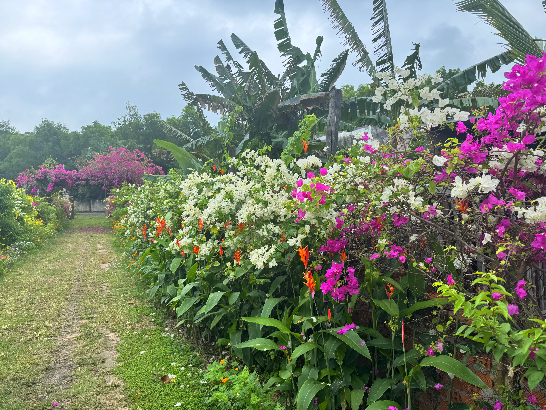
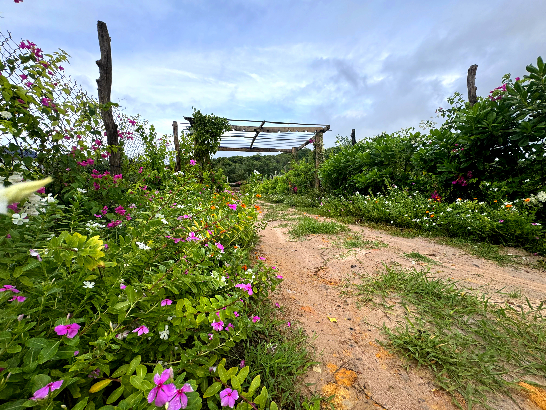
Some weekends, all you want to do is leave behind the hectic pace of life in Ho Chi Minh City and find a place with blue seas, fresh air, and enough peace and quiet to truly relax. Ho Tram is often one of the destinations that comes to mind, thanks to its relatively short distance from the city and its suitability for short getaways with family or friends.
However, before planning a trip, many people have similar questions: How far is Ho Tram from Ho Chi Minh City? How long does it take to get there? Should you travel by car, motorbike, or limousine? Knowing the route in advance will help you manage your time, choose the right means of transportation, and avoid unnecessary inconveniences along the way.
In this article, let's explore the distance from Ho Chi Minh City to Ho Tram, the most popular routes, and some useful travel tips to help you start your getaway smoothly.

Ho Tram is located along the southeastern coast of Ho Chi Minh City, known for its long beaches, resort destinations, and natural green landscapes. From central Ho Chi Minh City, the distance to Ho Tram is generally around 110–130 km, depending on your starting point, chosen route, and the exact location of your hotel, resort, or villa.
Traveling by car under favorable traffic conditions usually takes approximately 2.5–3 hours to reach the Ho Tram area. By motorbike, the journey may take longer due to travel speed, rest stops, and road conditions along the way.
One thing to keep in mind is that Ho Tram is not a single fixed destination. The area includes various resorts, villas, beaches, and attractions spread across different locations. Therefore, the distance displayed on a map may vary depending on exactly where you plan to go.
If you have already booked accommodation, it is best to save the exact address or location pin rather than simply searching for "Ho Tram." This can help prevent you from going to the wrong area, especially when your accommodation is located along smaller roads or some distance from the main route.
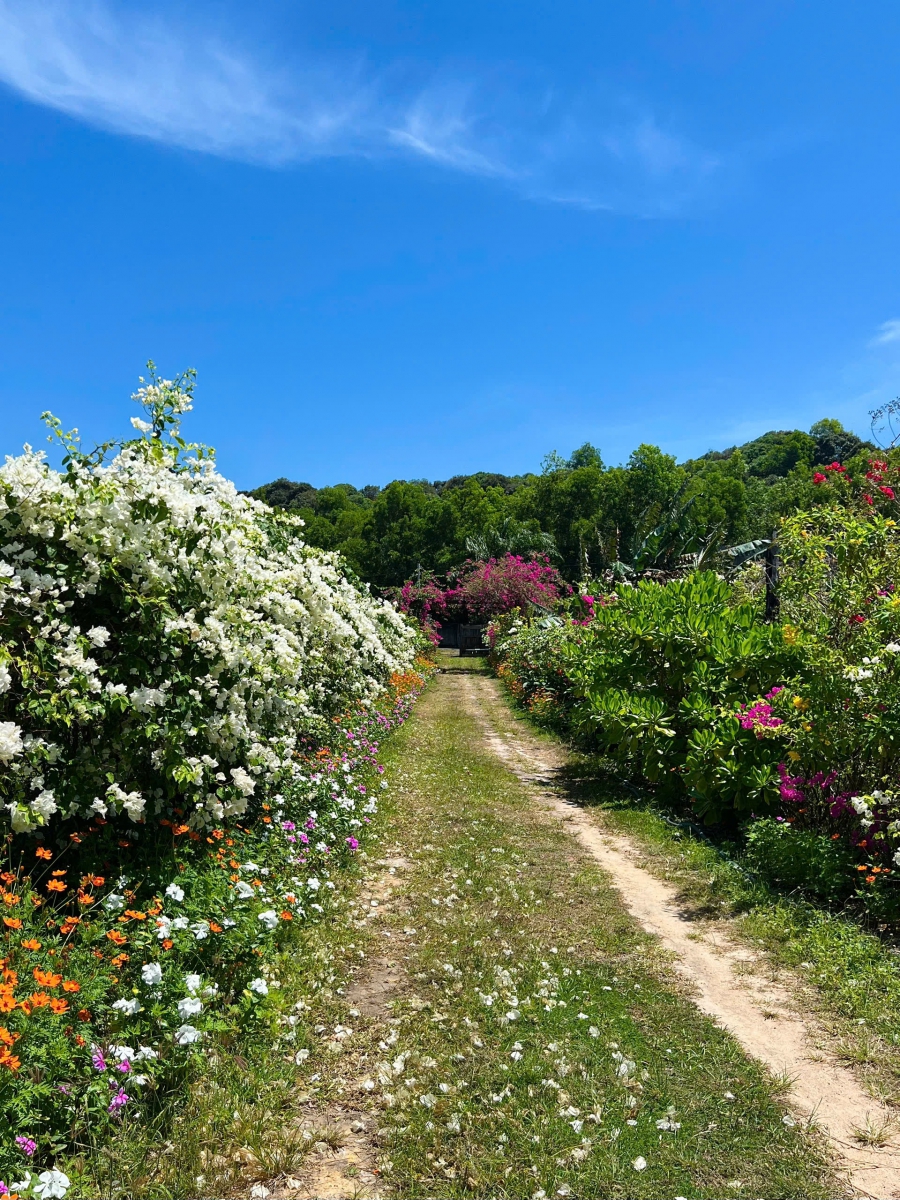
Travel time depends largely on your means of transportation, departure time, and traffic conditions. The following estimates can help you plan your schedule:
Private car: Approximately 2.5–3 hours under favorable traffic conditions.
Motorbike: Approximately 3–4 hours, depending on speed and the number of rest stops.
Coach or limousine: Usually around 2.5–4 hours, depending on the operator, pick-up and drop-off points, and the number of stops.
Private car with a driver: Similar travel time to driving your own car, but you do not have to drive yourself.
These estimates are for reference only and should not be considered fixed travel times for every journey. On Saturday mornings, Sunday afternoons, public holidays, or during periods of heavy traffic, you should allow some extra time.
If you plan to check in during the afternoon, leaving in the morning is usually a more comfortable option. You can have breakfast before departure, take a short break along the way, and still have time to settle in when you arrive.
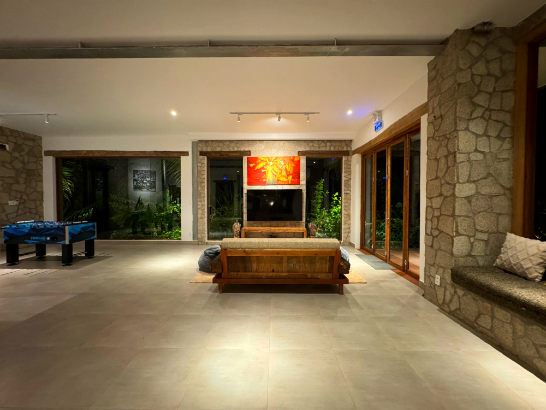
See also: Living Room
With the introduction of the Bien Hoa–Vung Tau Expressway, travelers now have another convenient option for getting from Ho Chi Minh City to Ho Tram, particularly those traveling by private car. Depending on your vehicle and starting point, you can consider the following two main routes.
This is a route worth considering for private cars with fewer than nine seats. It allows drivers to connect directly from Ho Chi Minh City to the new expressway, instead of traveling the entire distance along National Highway 51 as was previously necessary.
Suggested route:
Central Ho Chi Minh City → Ho Chi Minh City–Long Thanh–Dau Giay Expressway → Long Thanh Interchange → Bien Hoa–Vung Tau Expressway → National Highway 56 Interchange → Ba Ria Area → National Highway 55 → Xuyen Moc → Ho Tram.
From central Ho Chi Minh City, travel along Mai Chi Tho Street to connect with the Ho Chi Minh City–Long Thanh–Dau Giay Expressway. At the Long Thanh Interchange, follow the signs to enter the Bien Hoa–Vung Tau Expressway toward Ba Ria–Vung Tau.
After traveling along the new expressway, exit at the National Highway 56 Interchange. From there, follow the connecting roads toward Ba Ria, then continue along National Highway 55 toward Xuyen Moc and Ho Tram.
One advantage of this route is that cars can use a significant stretch of expressway, reducing the need to pass through multiple residential areas and sections of National Highway 51 that are often congested.
However, please note that the Bien Hoa–Vung Tau Expressway is currently operating under a temporary traffic plan, with specific vehicle restrictions and speed limits. According to the published traffic regulations, only vehicles with fewer than nine seats are permitted, with a maximum speed of 80 km/h and a minimum speed of 60 km/h. Drivers should follow the actual road signs along each section and check for the latest traffic announcements before departure.
For motorbikes, coaches, or cars that exceed the expressway's current vehicle restrictions, National Highway 51 remains an option worth considering.
Suggested route:
Ho Chi Minh City → Hanoi Highway → Dong Nai Bridge → National Highway 51 → Ba Ria → National Highway 55 → Xuyen Moc → Ho Tram.
From Ho Chi Minh City, travel through the Dong Nai Bridge area and continue along National Highway 51 toward Ba Ria. When you reach the area, connect to National Highway 55 toward Xuyen Moc, then continue to Ho Tram.
One advantage of this route is that it is accessible to various types of vehicles. It is suitable for larger groups renting tourist vehicles as well as travelers who prefer the flexibility of riding motorbikes.
However, National Highway 51 passes through several residential areas, industrial zones, and major intersections. Traffic can become heavier on weekends and public holidays, so it is advisable to allow extra travel time.
Your choice of route should depend on your vehicle and the number of people traveling with you.
If you are driving a private car with fewer than nine seats, consider combining the Ho Chi Minh City–Long Thanh–Dau Giay Expressway with the Bien Hoa–Vung Tau Expressway to reduce the time spent on regular roads.
If you are traveling by motorbike or in a tourist vehicle that exceeds the expressway's current vehicle restrictions, prioritize National Highway 51 and the local roads toward Ba Ria and Xuyen Moc.
Regardless of which route you choose, remember to enter your exact accommodation address into Google Maps, check traffic conditions, and pay attention to road signs at intersections. This is particularly important because traffic arrangements at some expressway connections may still be adjusted during the operation period.

There is no single means of transportation that suits everyone. Your choice should depend on the number of travelers, budget, luggage, and how much flexibility you want during the trip.
If you are traveling with young children, older family members, or a group of friends who want to manage their own schedule, a private car is a worthwhile option.
You can decide when to depart, stop whenever necessary, and bring along everything you need for your getaway. In particular, when staying at a villa with shared living spaces, traveling by car makes it easier to transport luggage, personal belongings, and food supplies for the group.
Before setting off, check the tires, fuel, brakes, vehicle documents, and essential safety equipment. If several people are traveling together, it is also a good idea to agree on a pick-up point in advance to avoid wasting time gathering everyone.
A motorbike is suitable for travelers who prefer a flexible journey, carry only a small amount of luggage, and are comfortable riding longer distances.
You can decide when to take breaks, stop for food, or explore places along the way. However, it is best to travel during daylight hours, inspect your motorbike before departure, and avoid riding continuously when you feel tired.
For weekend trips, consider the weather and traffic conditions carefully when choosing your departure time to ensure a safer journey.
If you would rather not drive throughout the journey, taking a coach or limousine is a convenient option.
Some operators offer services connecting Ho Chi Minh City with the Ho Tram area, with different pick-up and drop-off locations. Depending on the operator, the journey may take approximately 2.5–4 hours. Before booking, check the departure schedule, ticket price, pick-up and drop-off points, and luggage policies.
One useful tip is to ask whether the vehicle can drop you off near your accommodation. If the drop-off point is some distance from your villa or resort, you may need to arrange an additional taxi or local transfer for the final part of your journey.
For larger groups or families looking for a more comfortable trip, renting a private car with a driver is another option worth considering.
The main advantage is that everyone can travel together without having to divide driving responsibilities. It is also easier to arrange pick-up and drop-off times according to your schedule. When requesting a quote, confirm the vehicle type, number of seats, waiting time, additional charges, and service coverage to avoid misunderstandings.
Although the distance is not particularly long, preparing a few things in advance can help you save time and enjoy a more comfortable journey.
If you are traveling on the weekend, try to avoid departing during the morning rush hour. Leaving early can help you avoid heavy traffic on some major roads leading out of the city and give you more time to relax when you arrive.
For a day trip, remember to account for the return journey to Ho Chi Minh City as well. Do not plan your entire schedule based solely on the estimated travel time for the outward journey.
Enter the exact address of your villa, resort, or destination into your navigation app. If you are driving, make sure to select a route suitable for your vehicle and check for any traffic restrictions or road diversions.
Also, remember to save your accommodation's contact number so you can ask for directions if you need help with the final stretch of the journey.
For a getaway lasting two days or more, bring comfortable clothing, swimwear, sunscreen, beach sandals, and personal essentials. If you are traveling with young children, remember to bring any additional items they may need.
Avoid bringing excessively bulky luggage, especially when traveling by coach or limousine, as each operator may have its own rules regarding luggage size and quantity.
Your trip to Ho Tram will be more enjoyable if you arrange your accommodation, check-in time, and main meals in advance. For larger groups, it is a good idea to decide whether you prefer dining out or preparing your own BBQ at your accommodation.
This can help you avoid wasting time looking for services during busy periods, especially on weekends and public holidays.
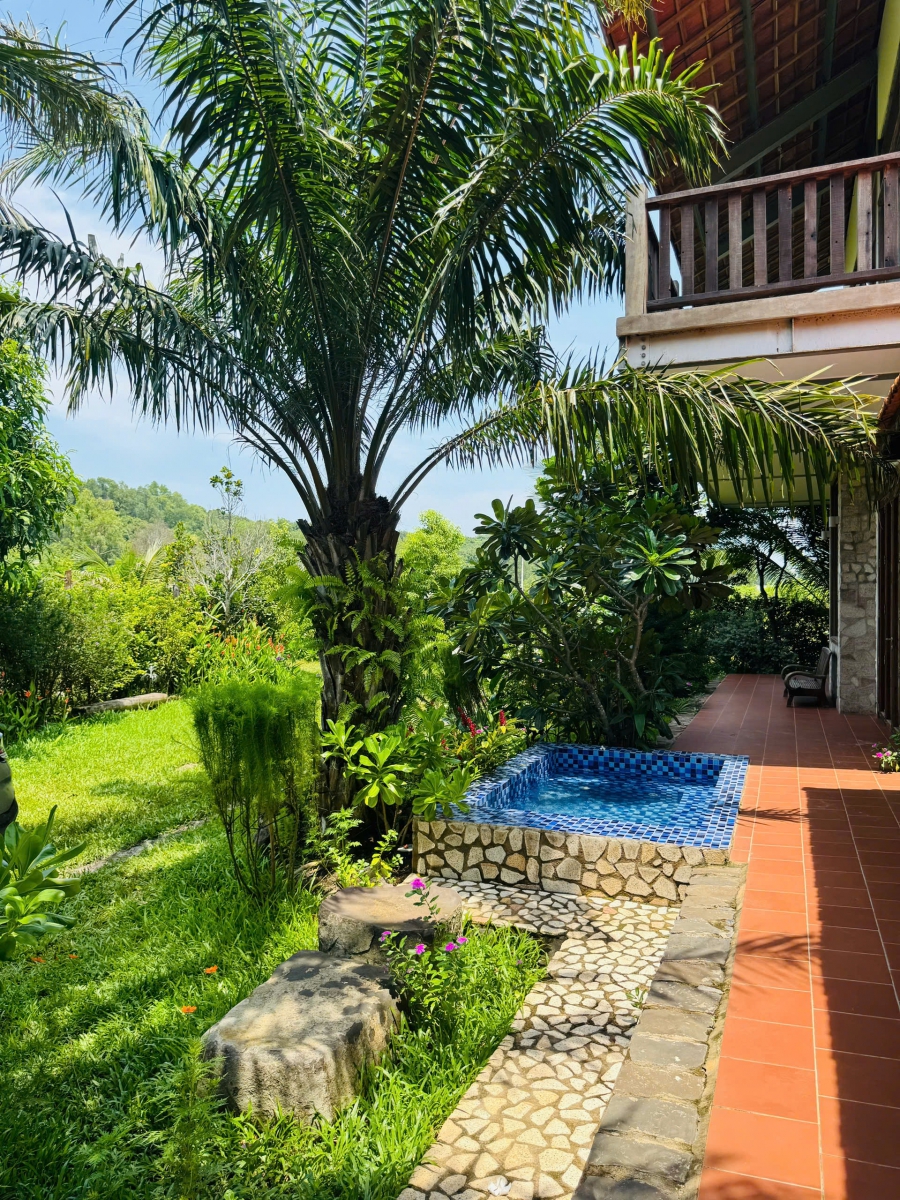
After traveling from Ho Chi Minh City, you do not necessarily need to fill your schedule with too many activities. Ho Tram offers a variety of experiences that can be combined into a short getaway, from relaxing by the beach to exploring nature and enjoying local cuisine.
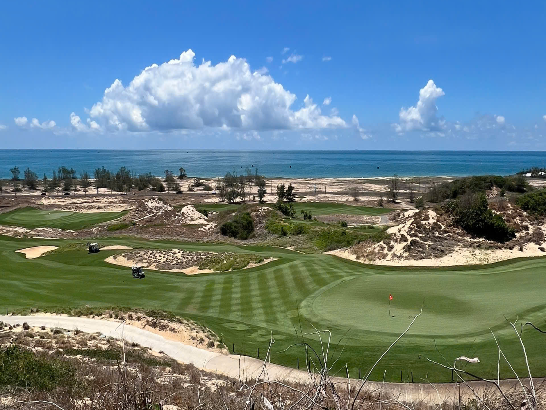
The beach is one of the main reasons why many people choose Ho Tram. You can spend the morning strolling along the shore, enjoying the sea views, or simply relaxing in the fresh air. If you enjoy photography, early morning and late afternoon usually offer more pleasant lighting.
Ho Coc is another destination you can include in your exploration of the Xuyen Moc coastal area. It is known for its coastal scenery, rock formations, and relatively peaceful atmosphere. You can stop by to take photos, walk along the beach, or simply spend some time enjoying the surrounding nature.
If you would like a change of scenery after spending time at the beach, Binh Chau Hot Springs is another destination worth considering. Experiences such as soaking your feet in the mineral-rich hot water or relaxing in the thermal spring area can add variety to your itinerary, especially when traveling with family.
Seafood is an essential part of the Ho Tram travel experience. You can visit local eateries, seafood markets, or restaurants in the area to enjoy shrimp, crab, mantis shrimp, squid, and fresh sea fish.
When dining with a large group, remember to ask about prices and how dishes are charged before ordering. This is a simple way to manage your budget and avoid unexpected expenses.
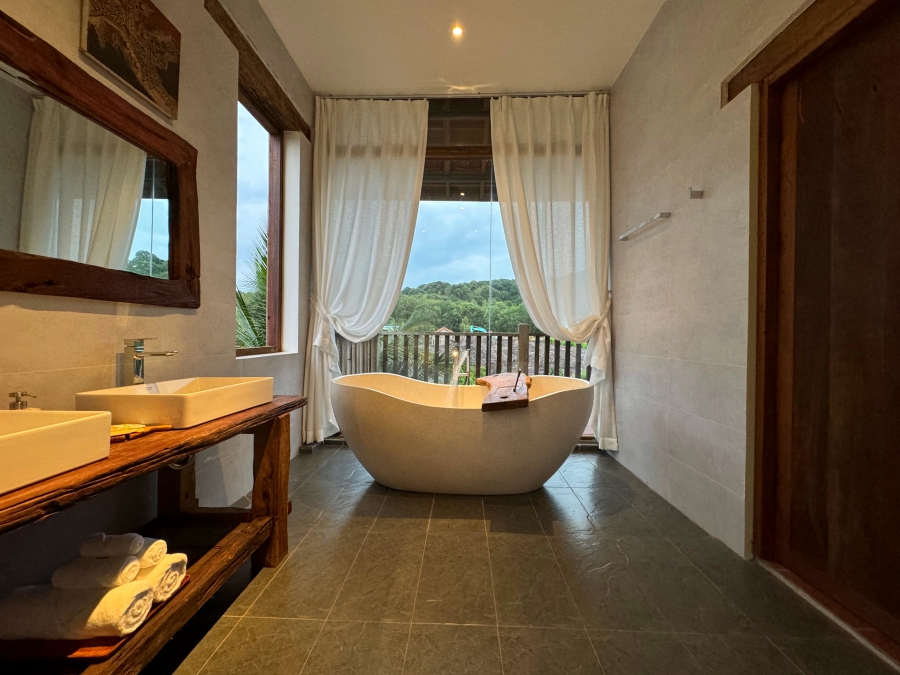
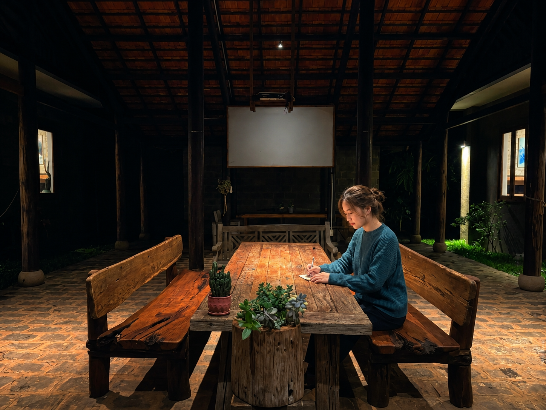
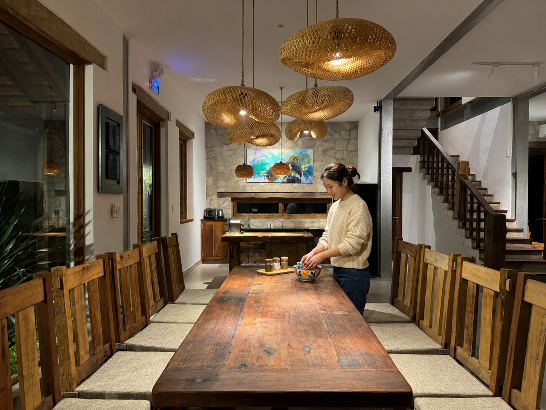
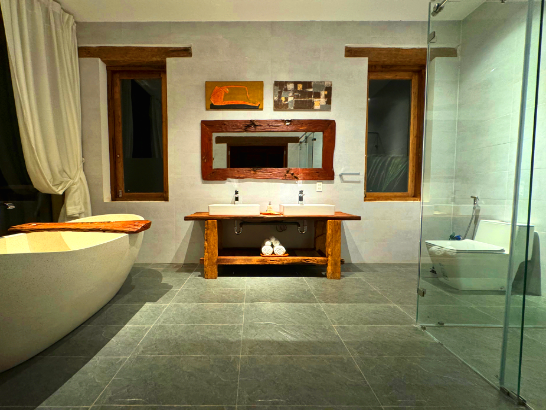
Once you have decided on your route and means of transportation, choosing a place to stay is the next step. If you are traveling with several people, particularly family members or a group of friends, a villa with shared living spaces can make it easier for everyone to spend time together and enjoy the holiday in their own way.
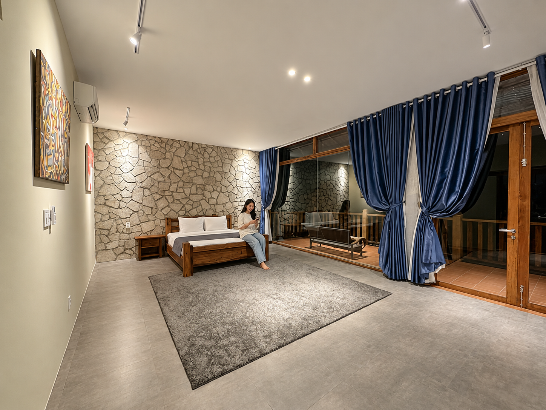
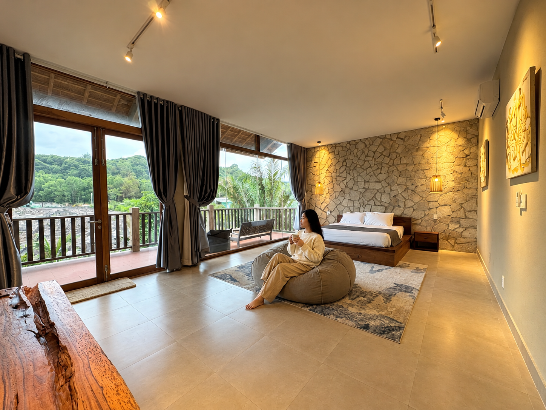
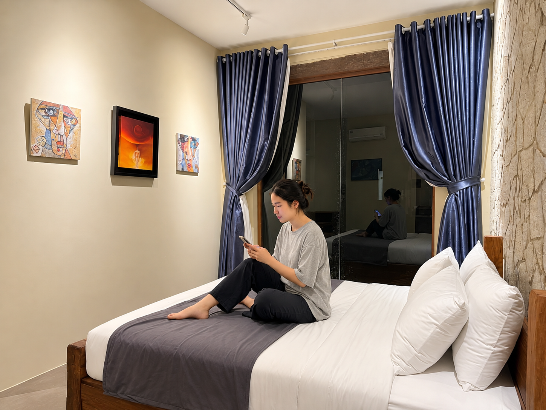
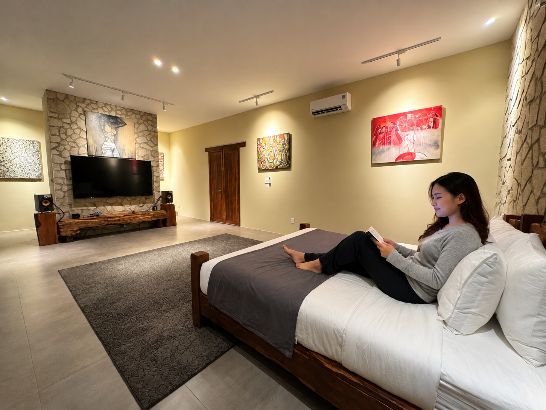
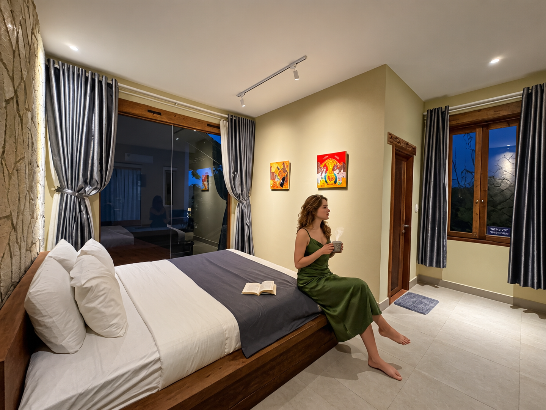
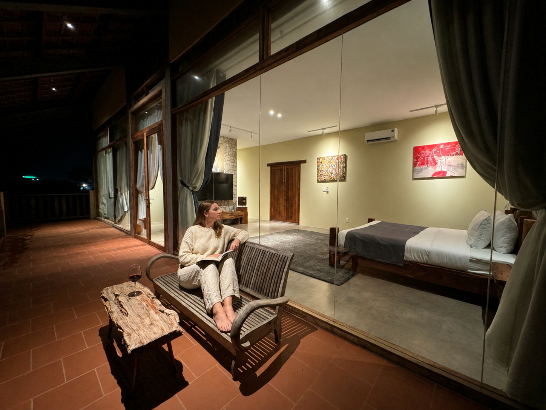
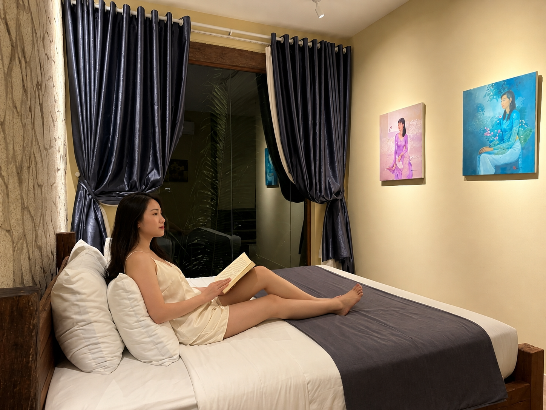
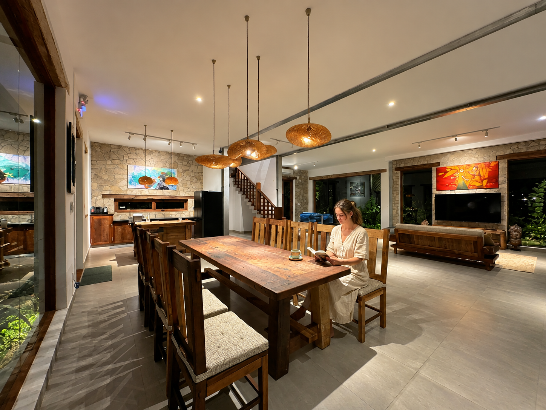
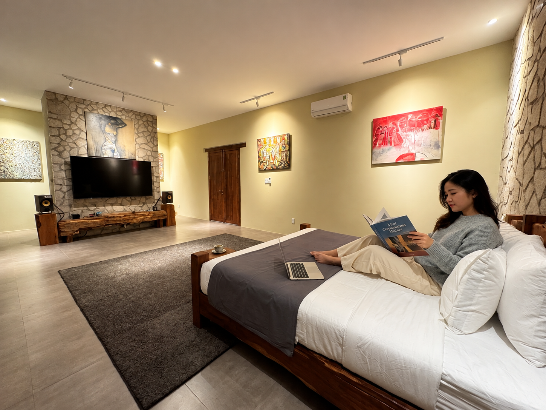
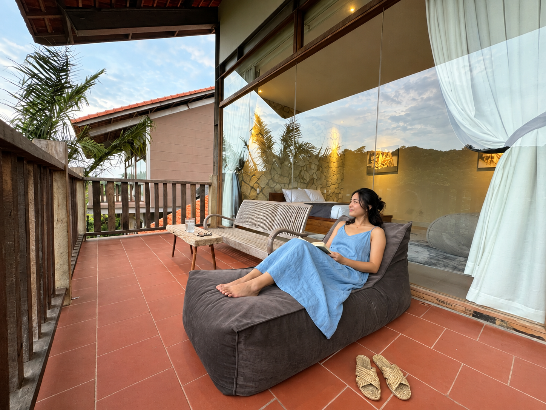
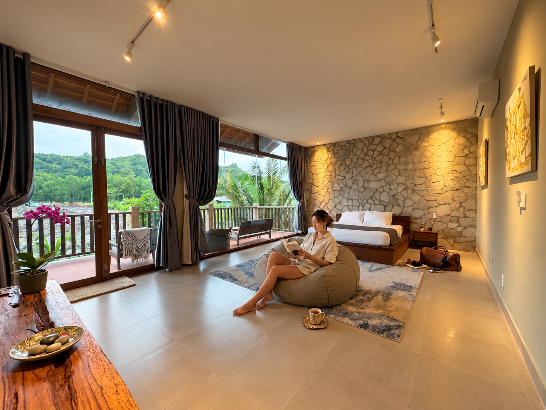
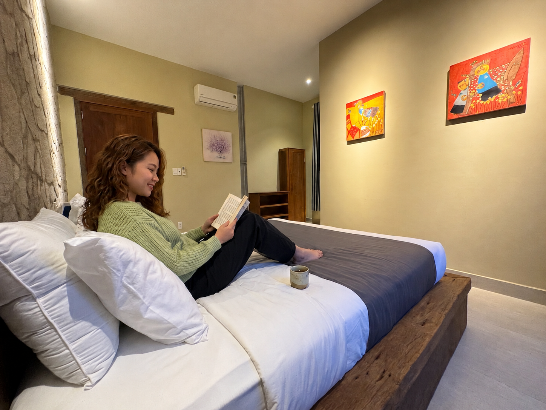
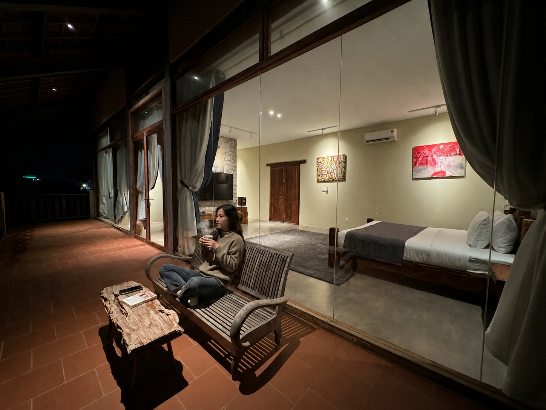
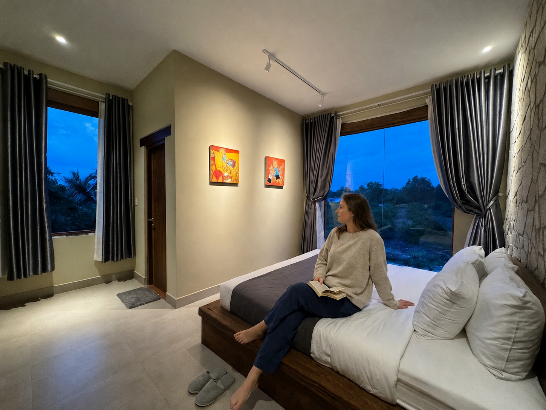
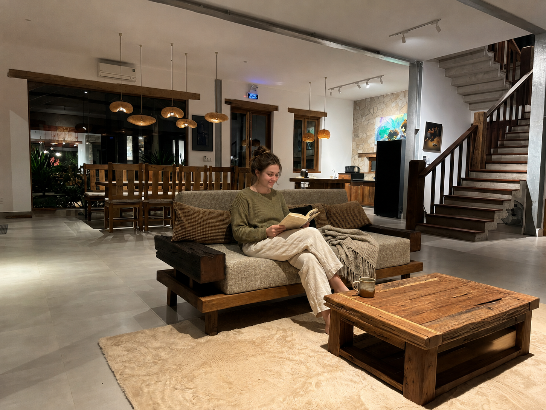
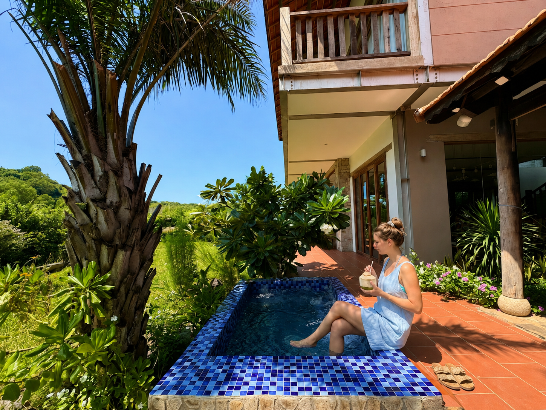
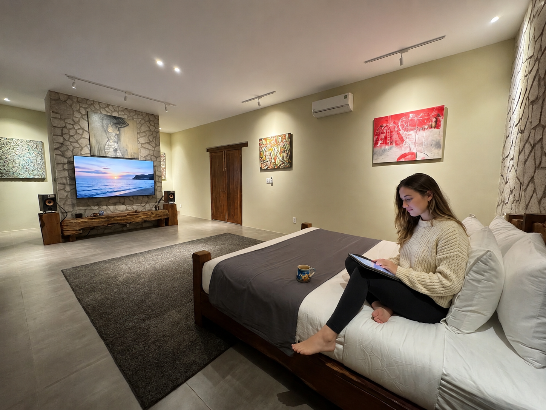
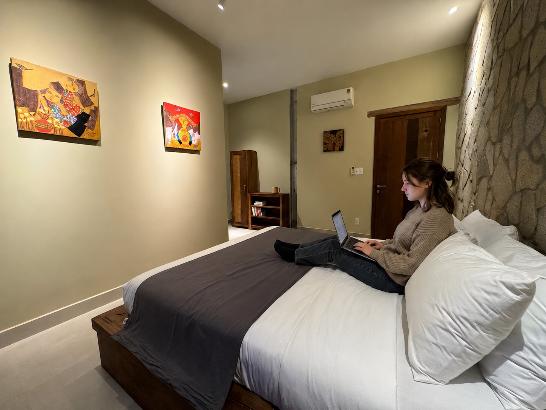
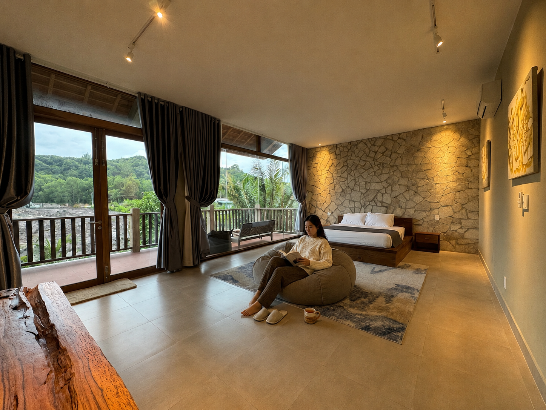
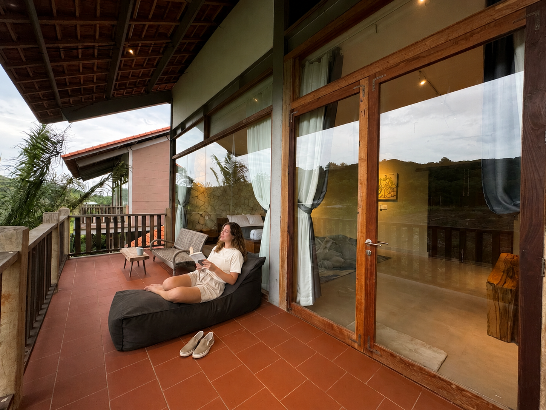
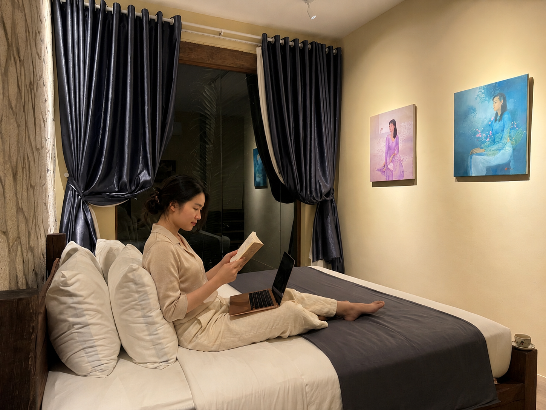
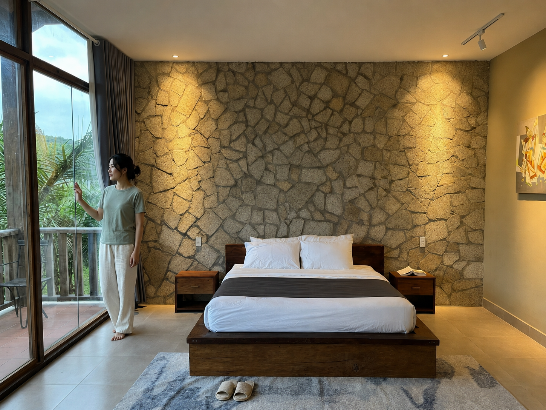
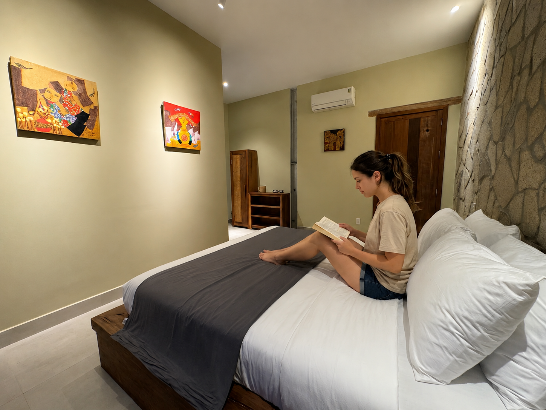
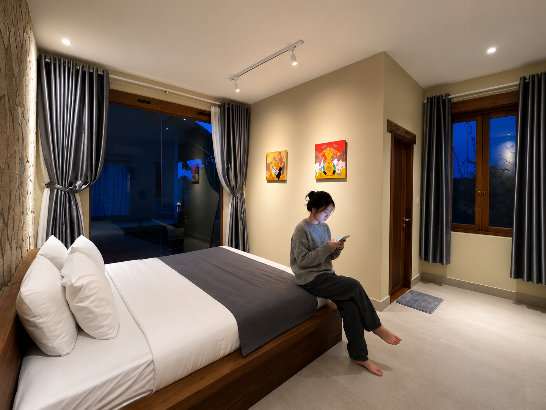
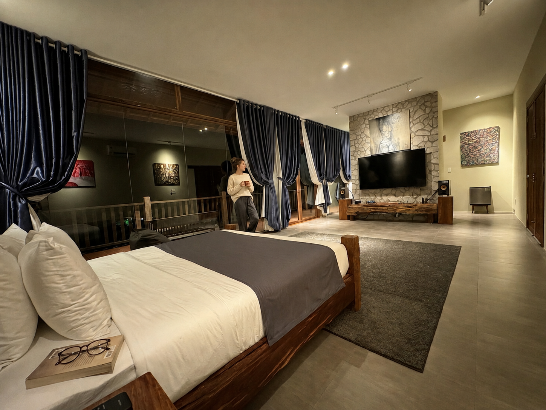
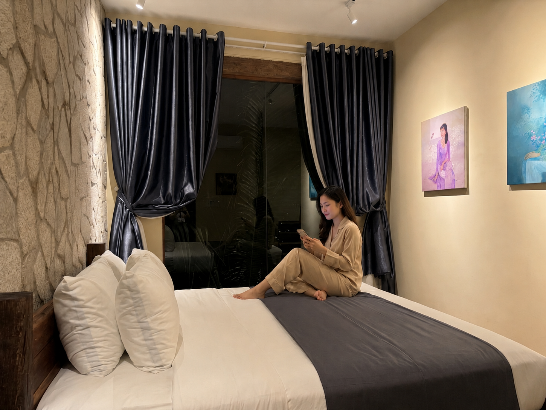
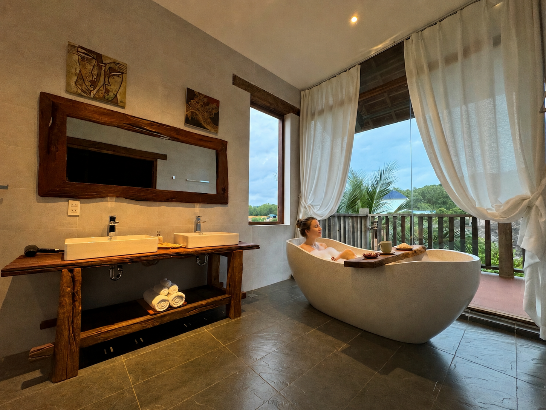
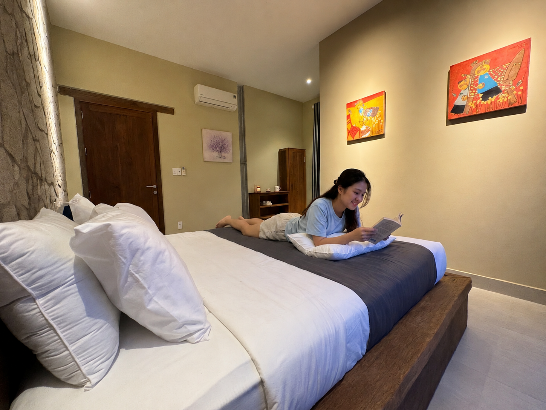
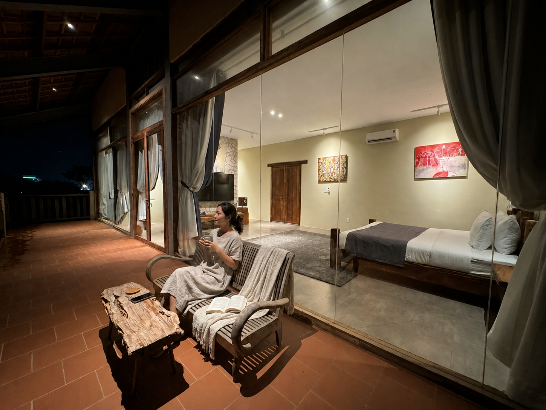
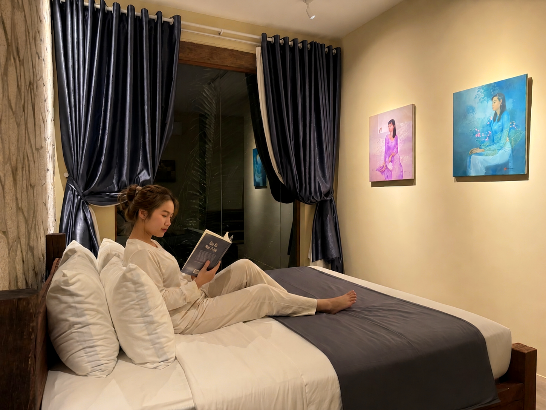
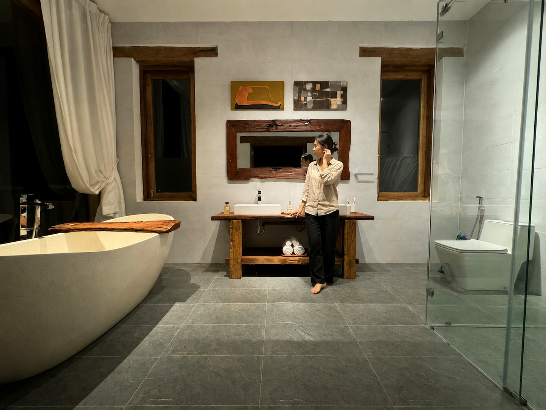
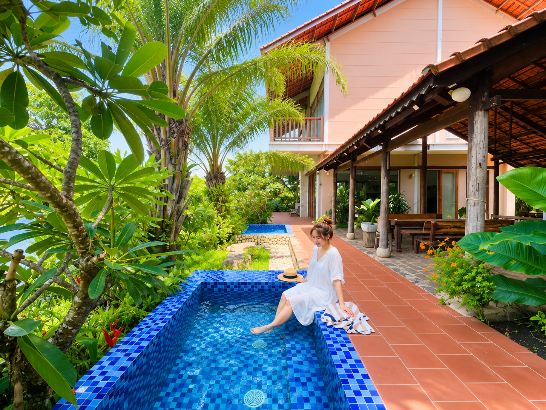
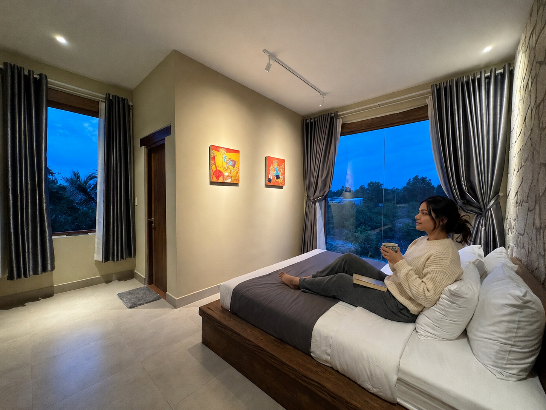
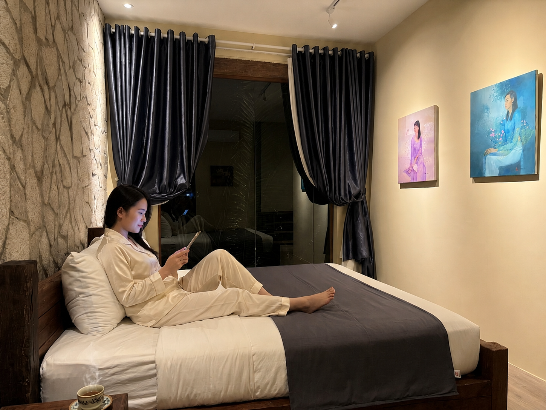
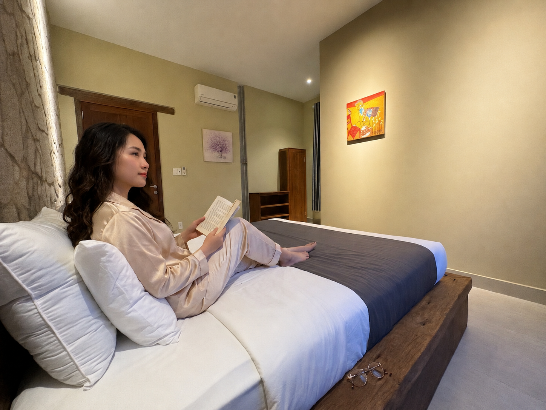
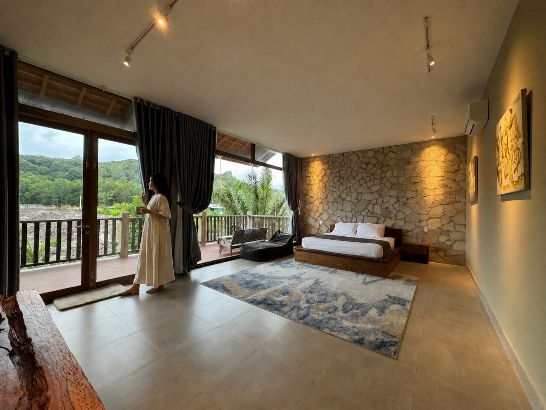
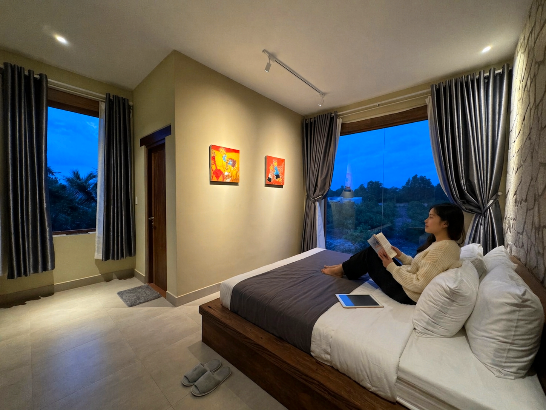
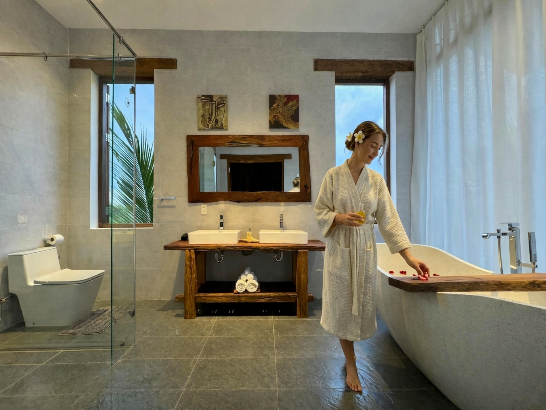
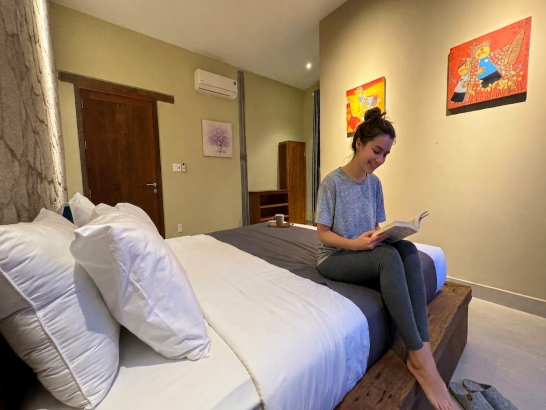
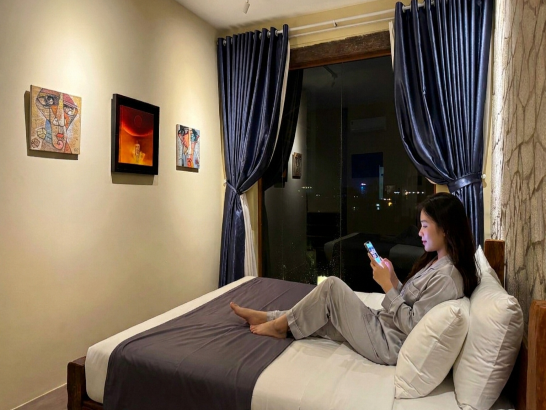
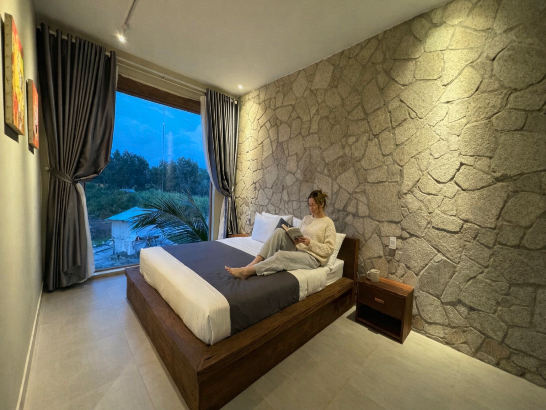
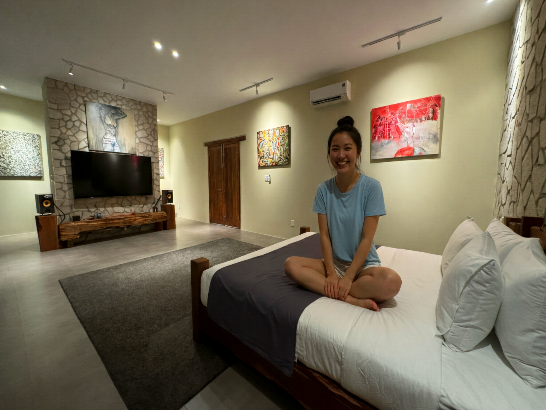
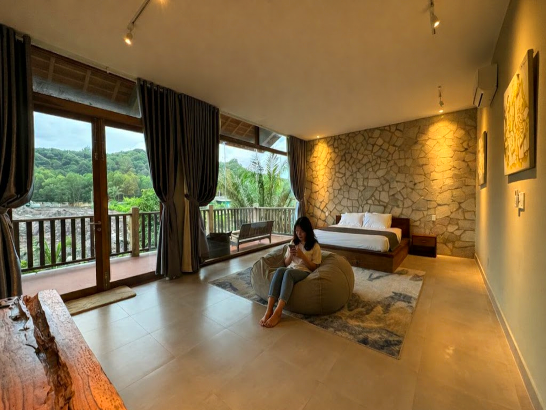
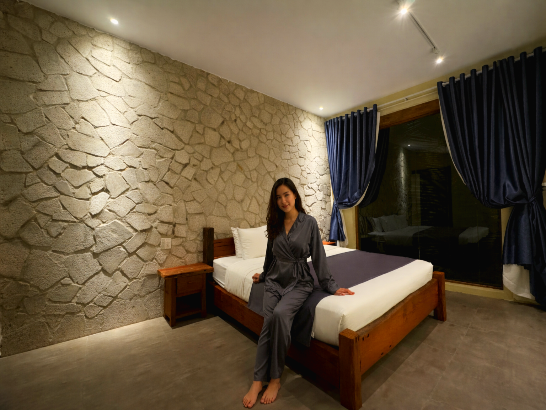
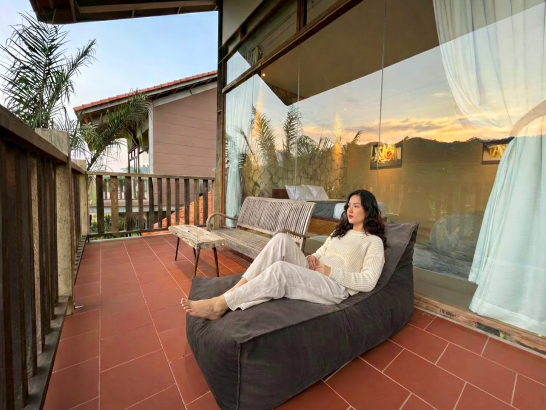
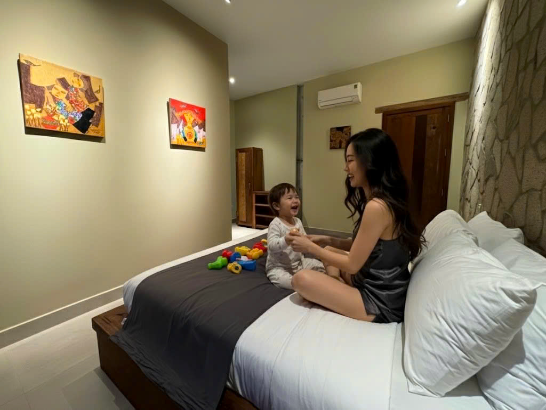
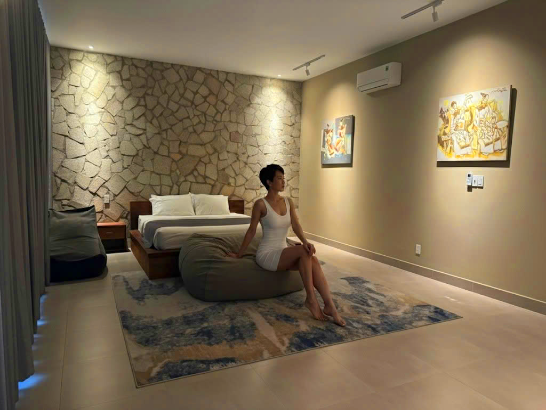
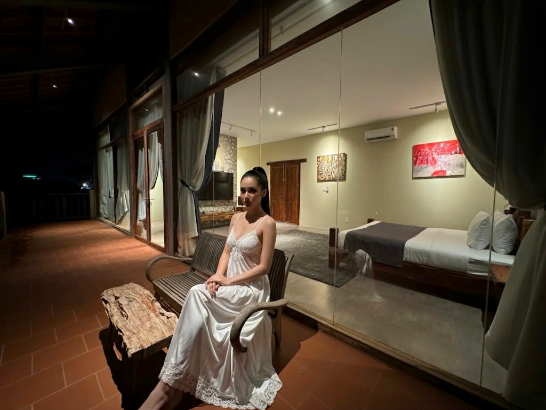
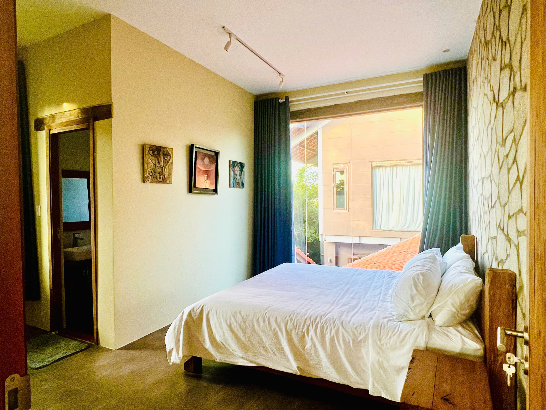
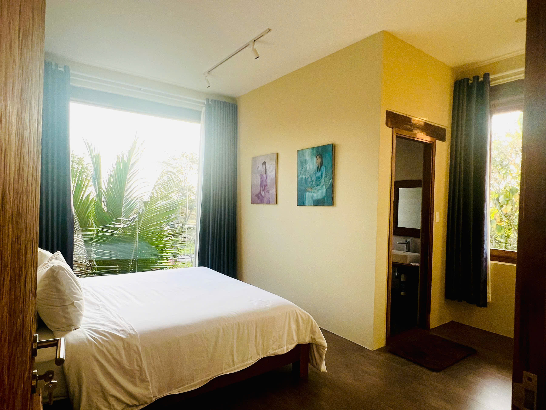
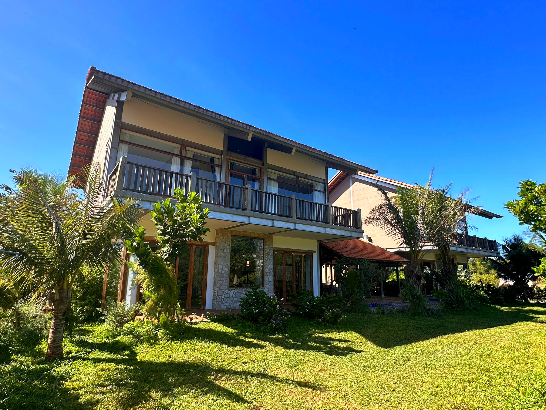
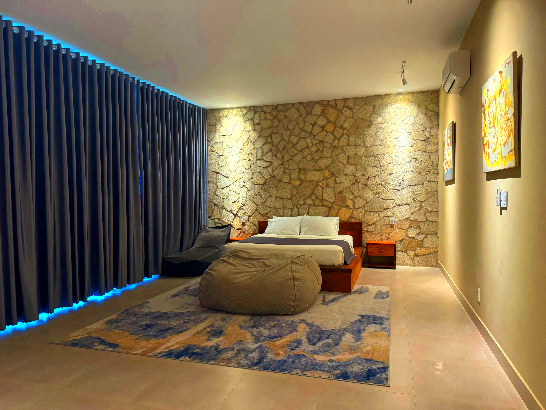
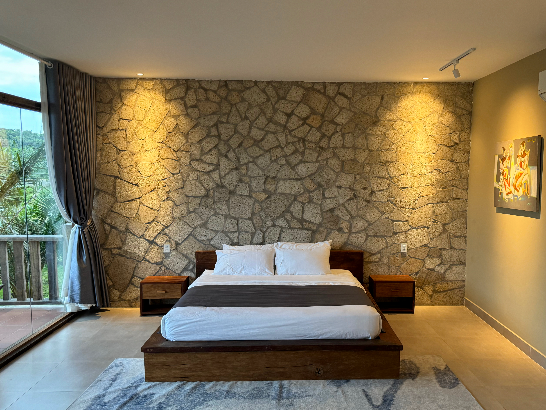
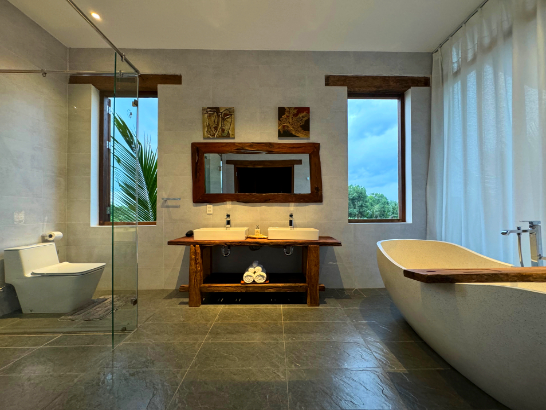
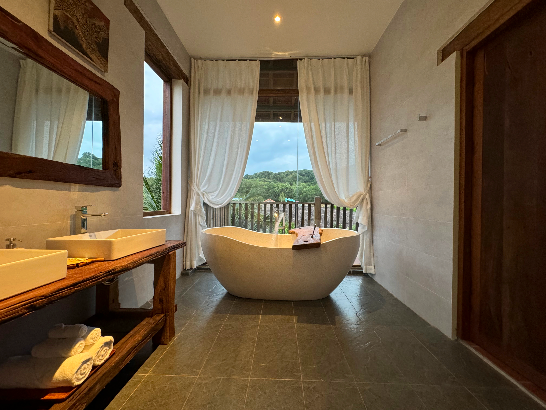
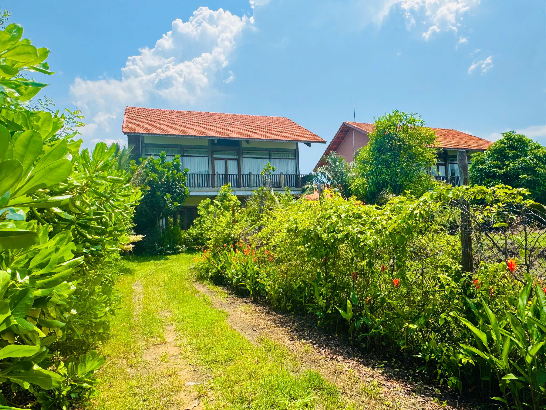
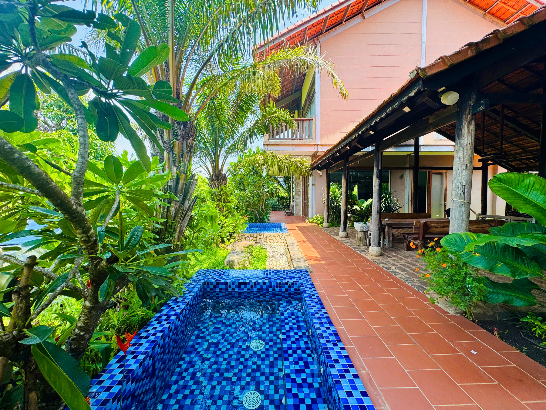
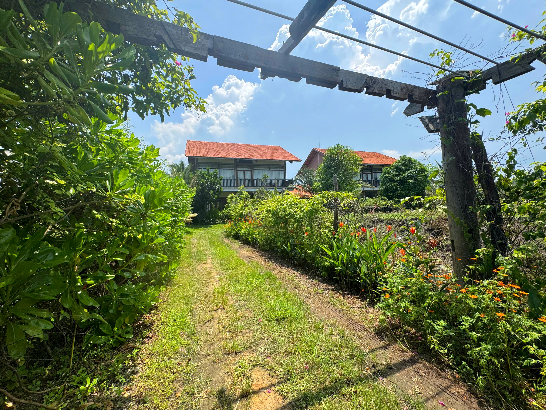
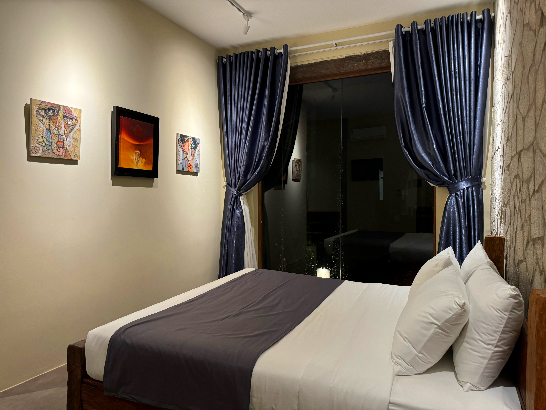
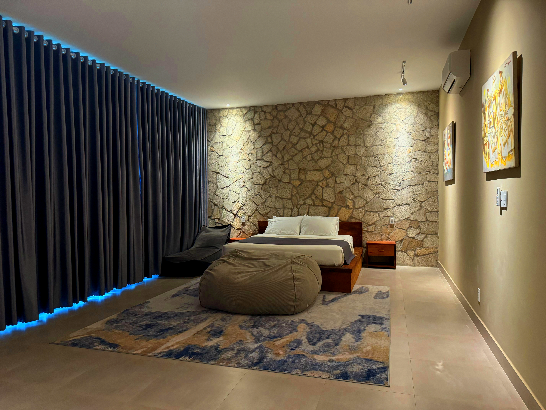
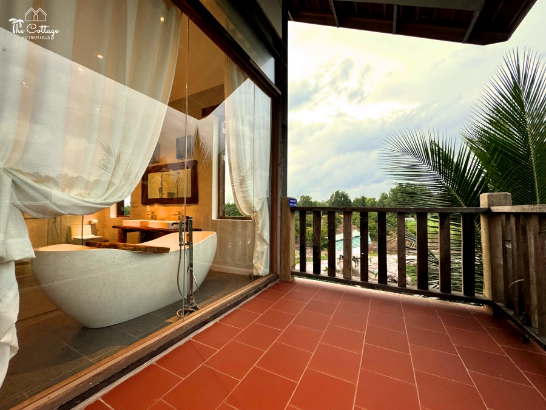
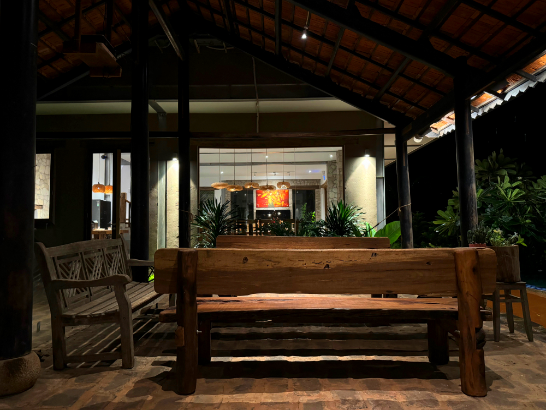
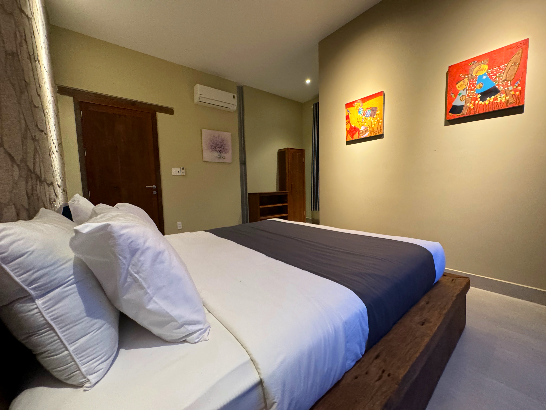
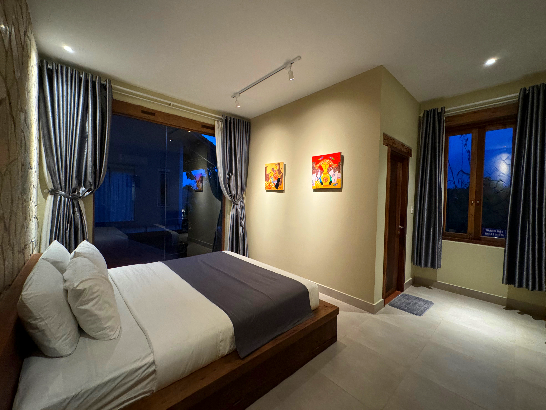
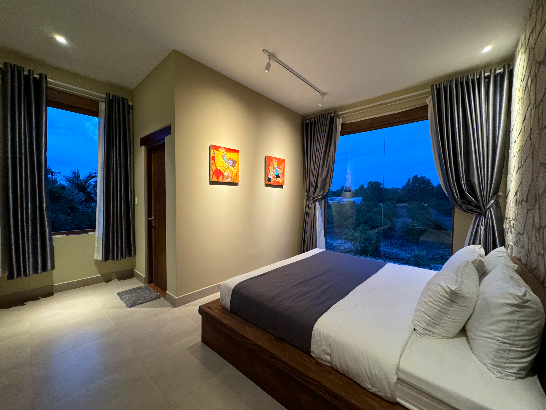
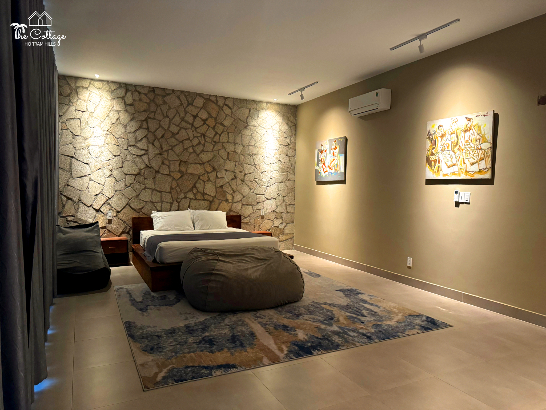
One option worth considering is The Cottage Ho Tram Hills. Designed for groups seeking a private and relaxing getaway, the villa features six bedrooms and can accommodate up to approximately 16 guests.
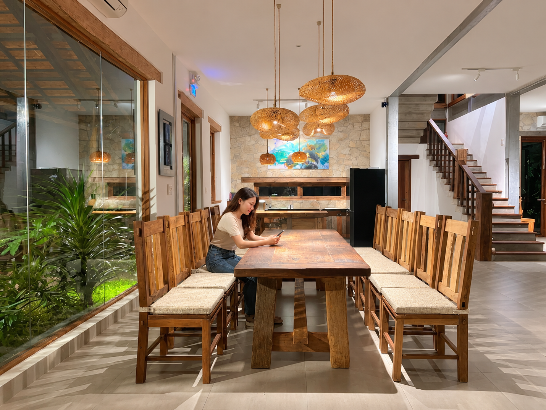
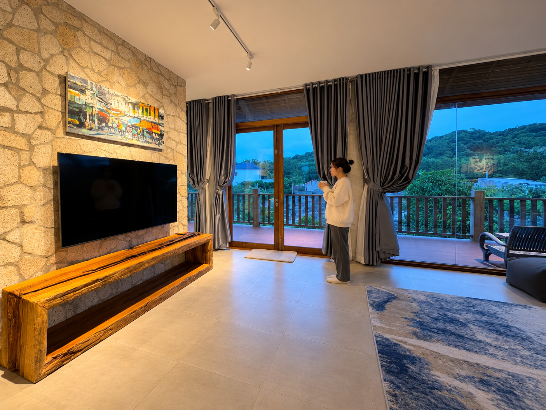
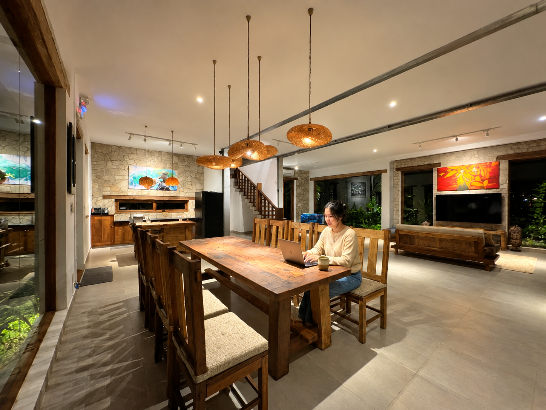
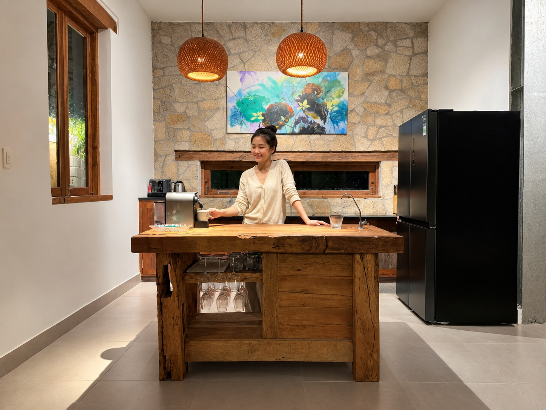
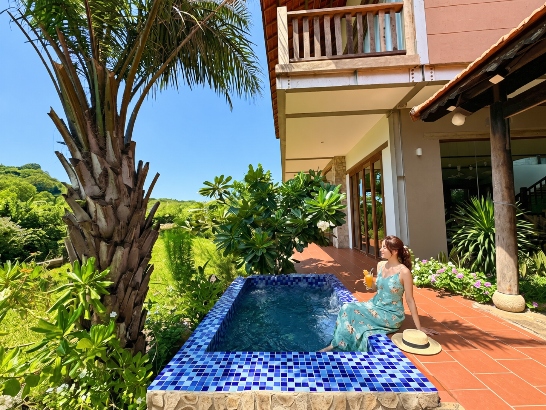
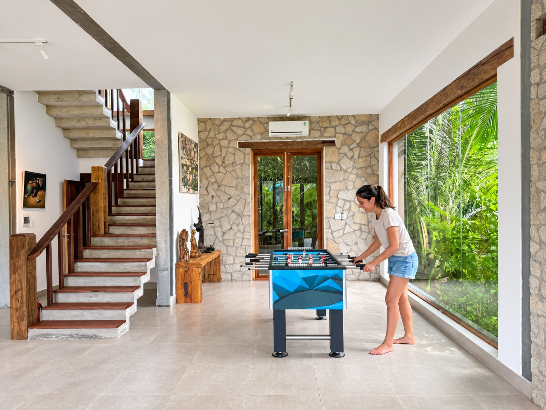
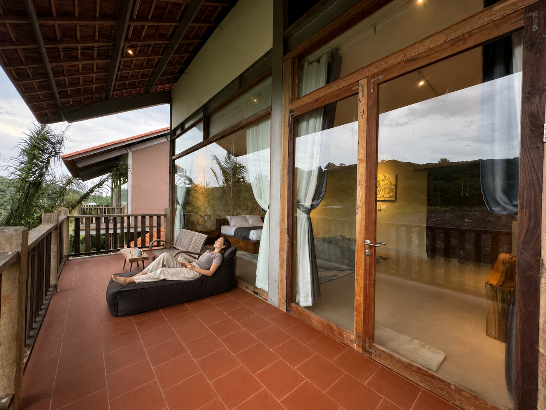
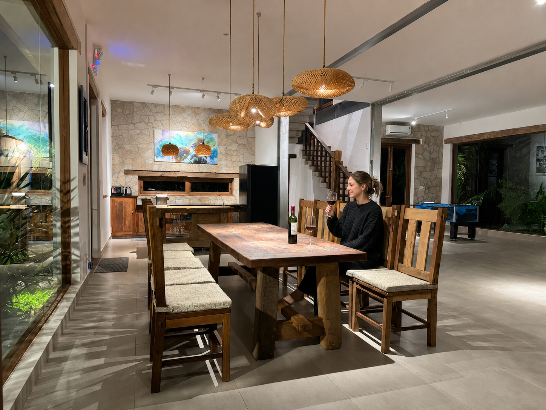
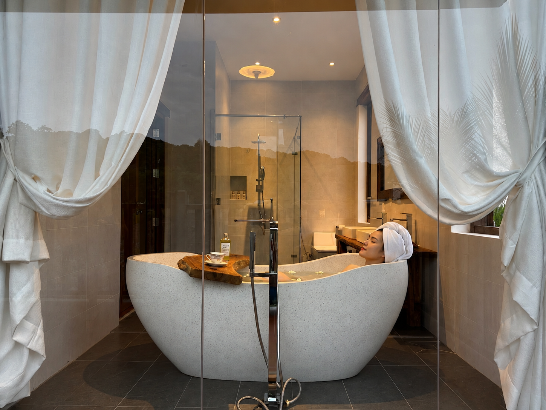
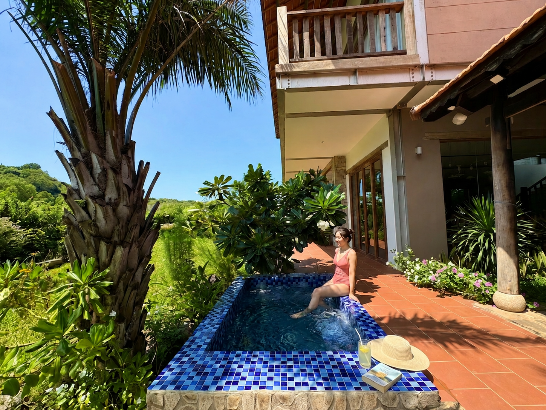
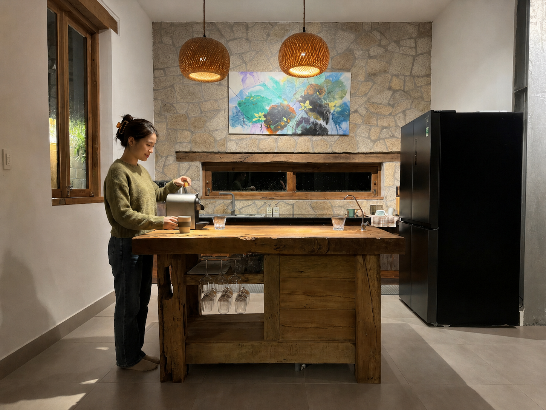
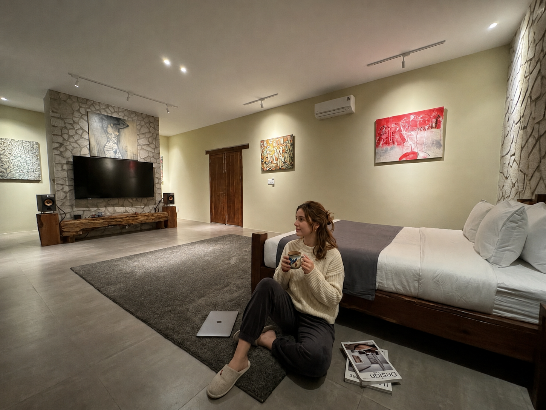
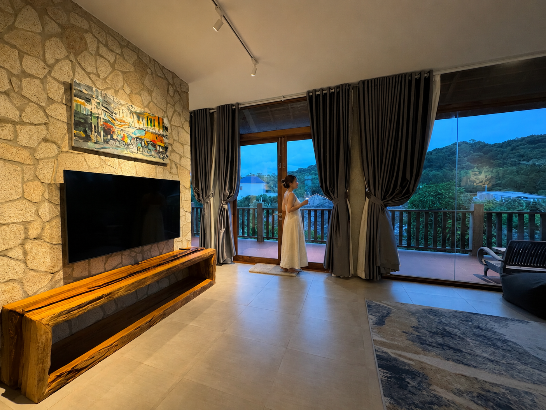
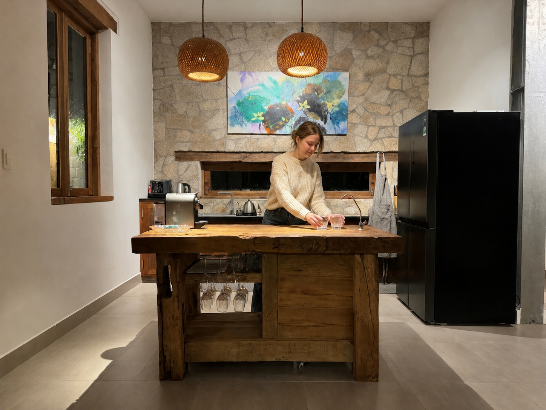
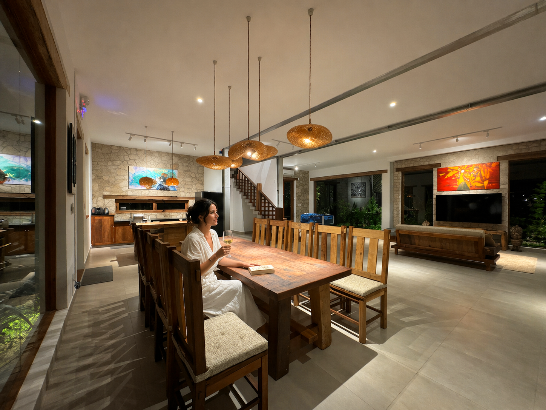
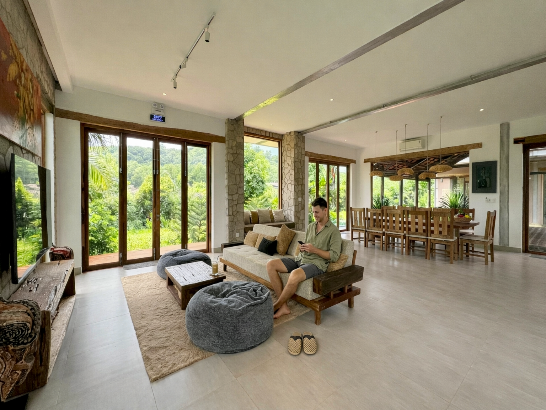
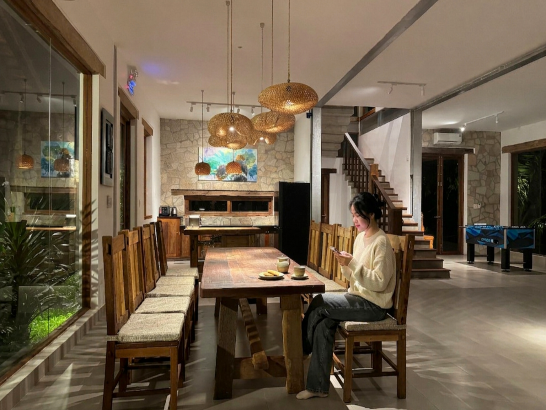
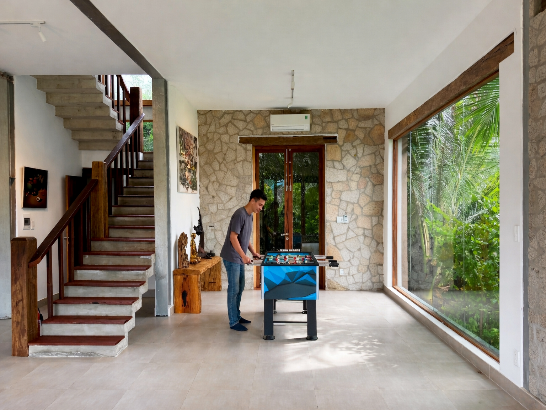
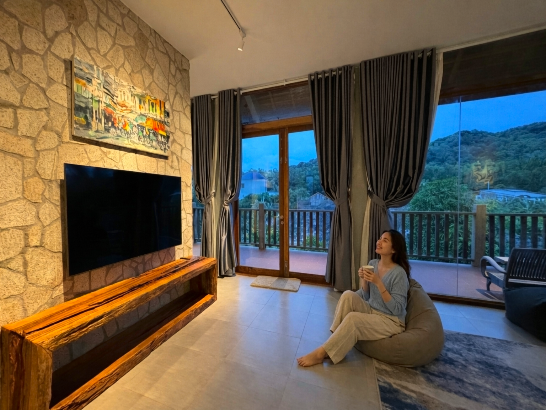
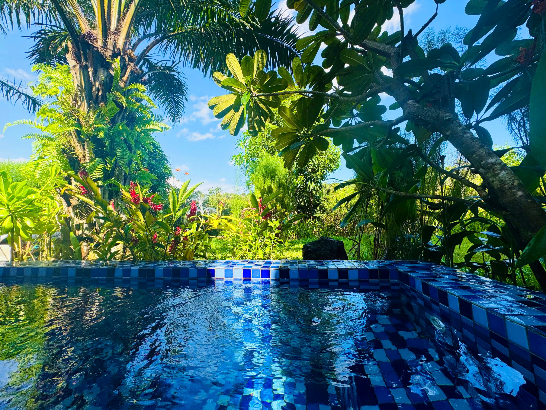
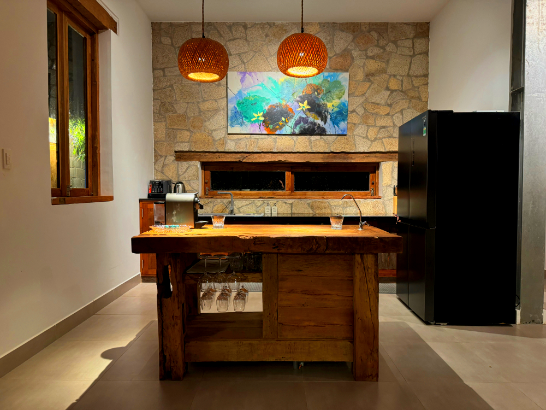
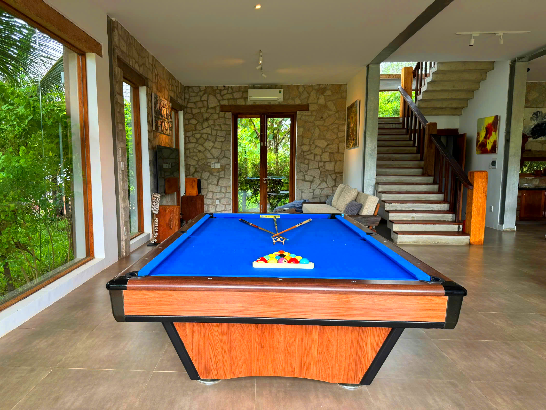
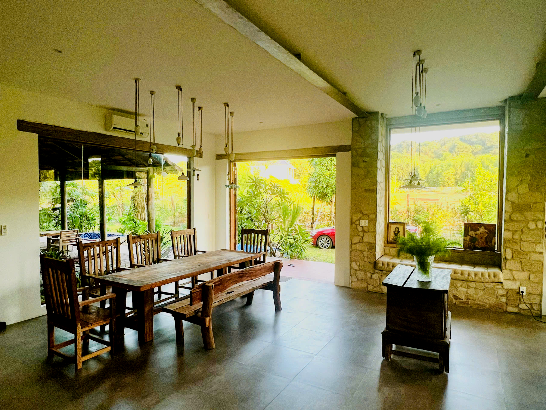
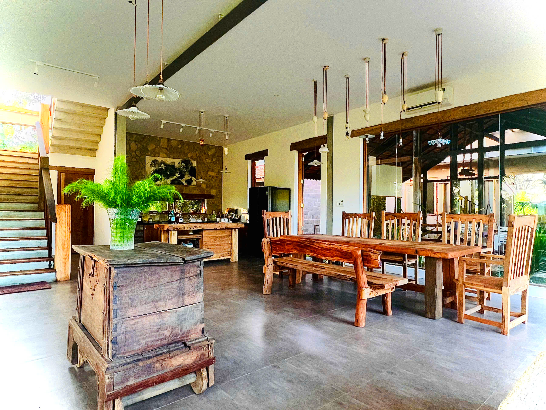
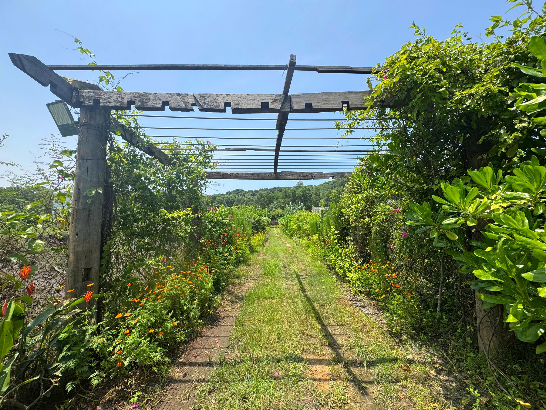
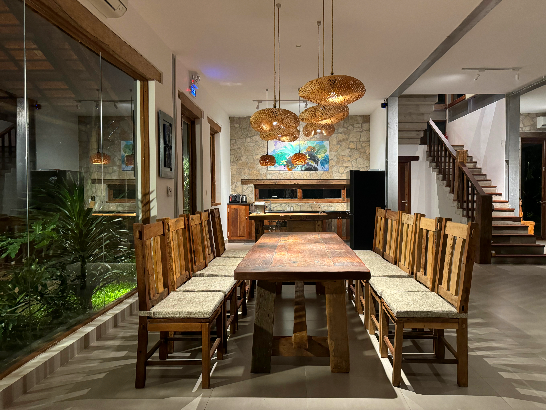
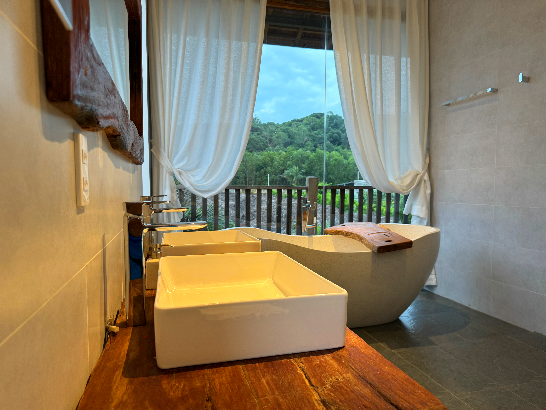
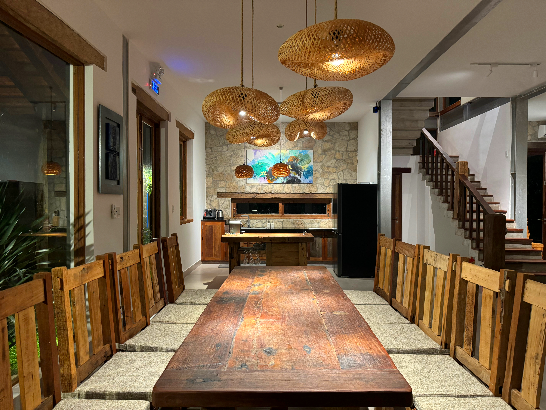
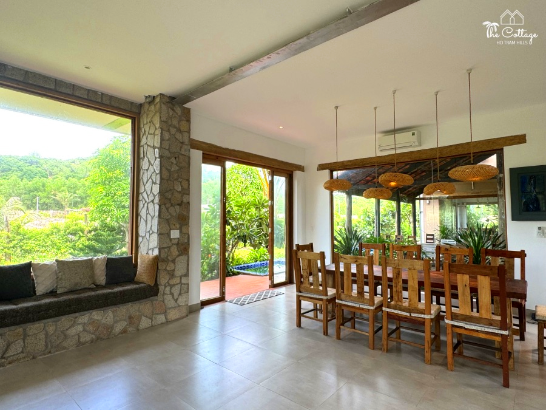
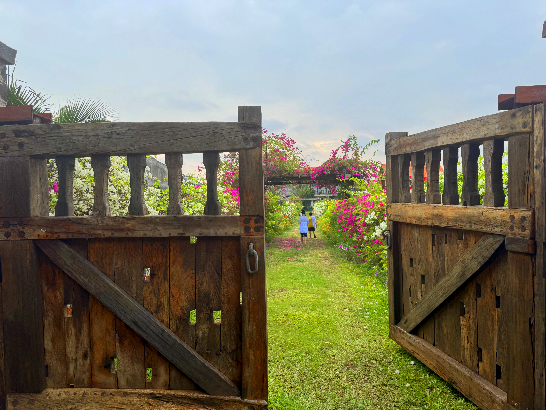
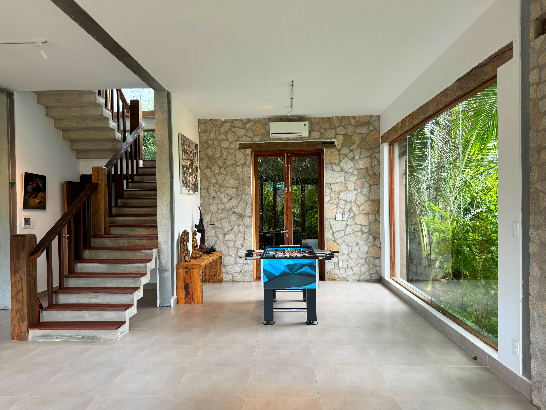
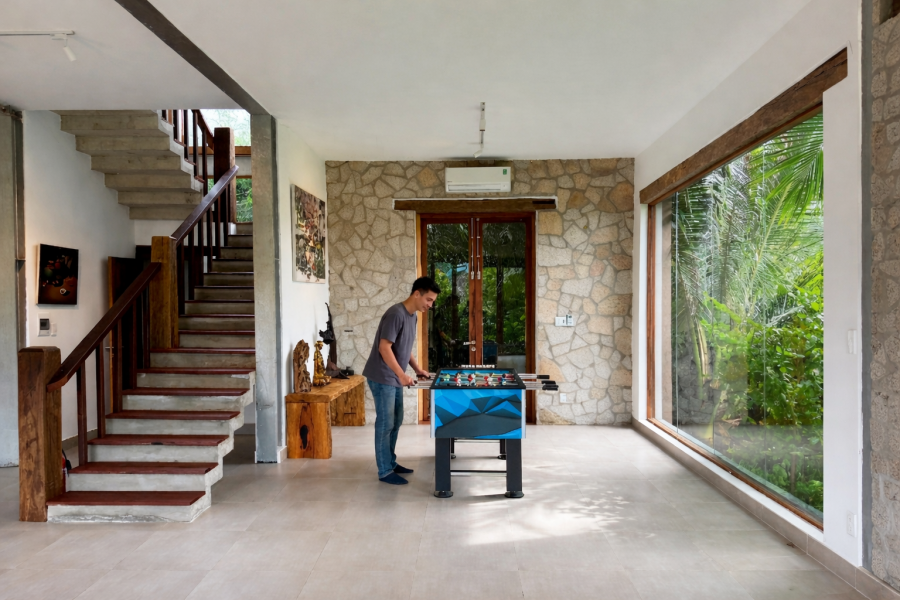
One of The Cottage's highlights is its spacious living room, two kitchens, two Jacuzzis, and garden area suitable for outdoor BBQ gatherings. The villa also features a billiards table, foosball, and karaoke facilities, making it suitable for gatherings with family and friends.
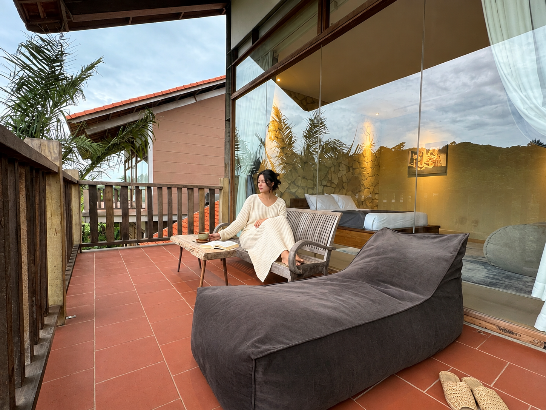
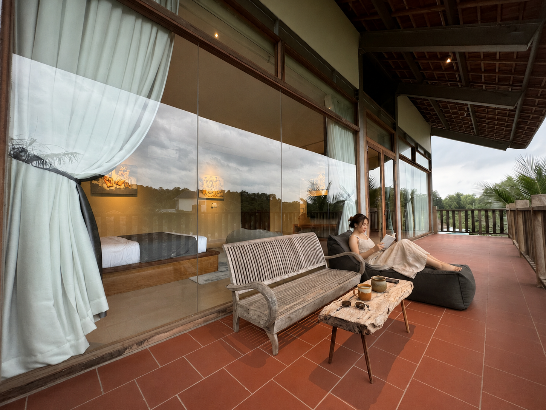
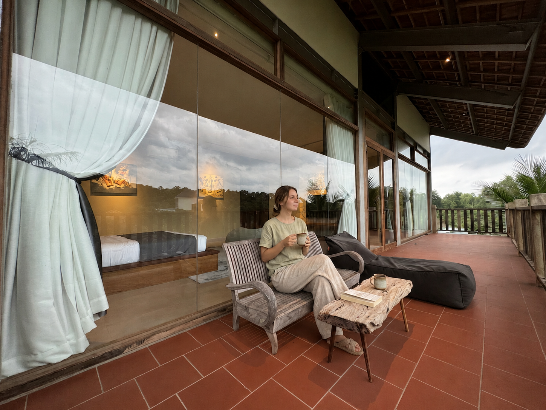
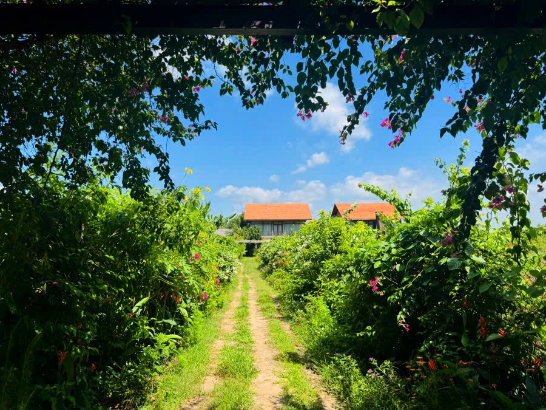
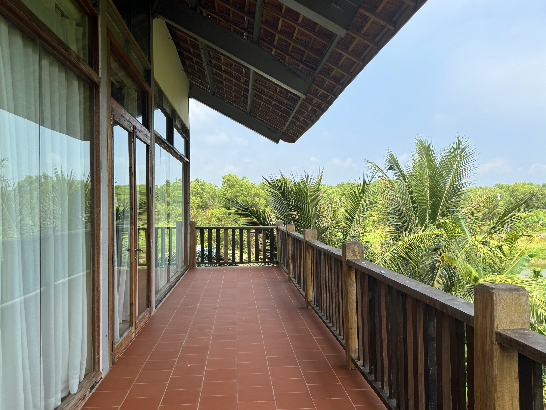
The villa is located approximately 700 meters from the beach, making it convenient to combine time spent relaxing at the property with beach walks and exploring the Ho Tram area. Please note that this is not a beachfront villa and does not have sea-facing balconies, so it is important to consider these details when choosing your accommodation.
For groups traveling by car, having your own transportation also makes it easier to pick up group members and transport luggage. Instead of splitting everyone across multiple hotel rooms, the entire group can share a common living space, prepare meals together, or organize a BBQ according to their own schedule.
You can learn more about The Cottage Ho Tram Hills and explore its bedrooms, amenities, and location before deciding whether to book it for your trip.
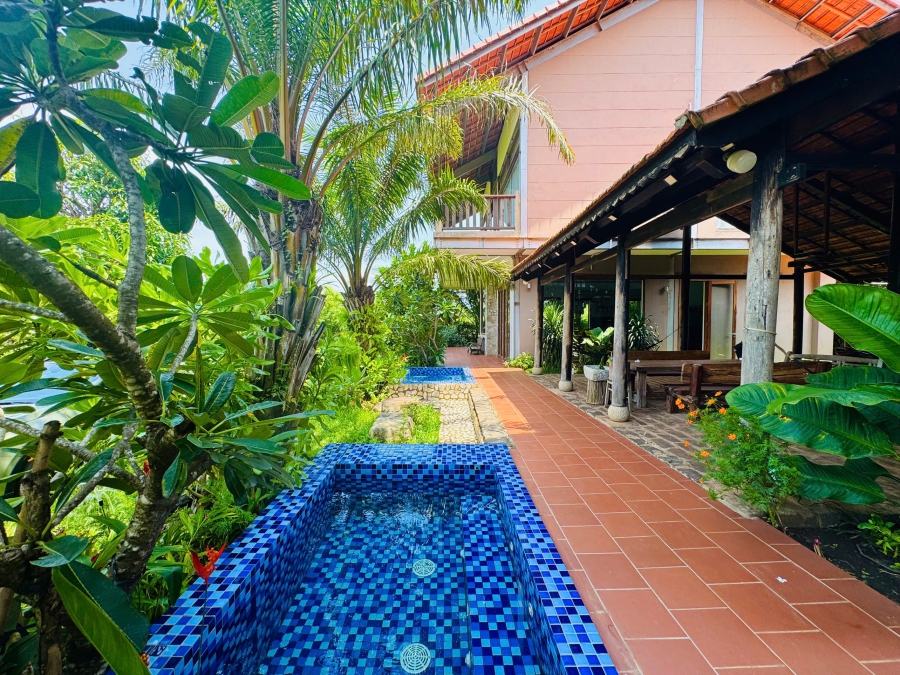
If you have a weekend to relax, a 2-day, 1-night itinerary is a convenient way to explore Ho Tram without rushing from one place to another.
Day 1: Ho Chi Minh City – Ho Tram – Relax and Unwind
Morning: Depart from Ho Chi Minh City and follow your chosen route.
Noon: Arrive in Ho Tram, enjoy lunch, and check in according to the accommodation's scheduled check-in time.
Afternoon: Take a walk along the beach, relax, or visit a few attractions near your accommodation.
Evening: Enjoy local seafood or organize an outdoor BBQ if your accommodation has a suitable area.
Day 2: Explore the Area – Return to Ho Chi Minh City
Morning: Have breakfast, take a walk along the beach, or spend some time relaxing.
Noon: Check out and have lunch in the Ho Tram area.
Afternoon: Consider visiting Ho Coc or another suitable attraction, depending on how much time you have left, before heading back to Ho Chi Minh City.
The itinerary can be adjusted depending on check-in and check-out times, transportation, and the needs of each group. If you are traveling with older family members or young children, prioritize gentle activities and allow more time for relaxation.
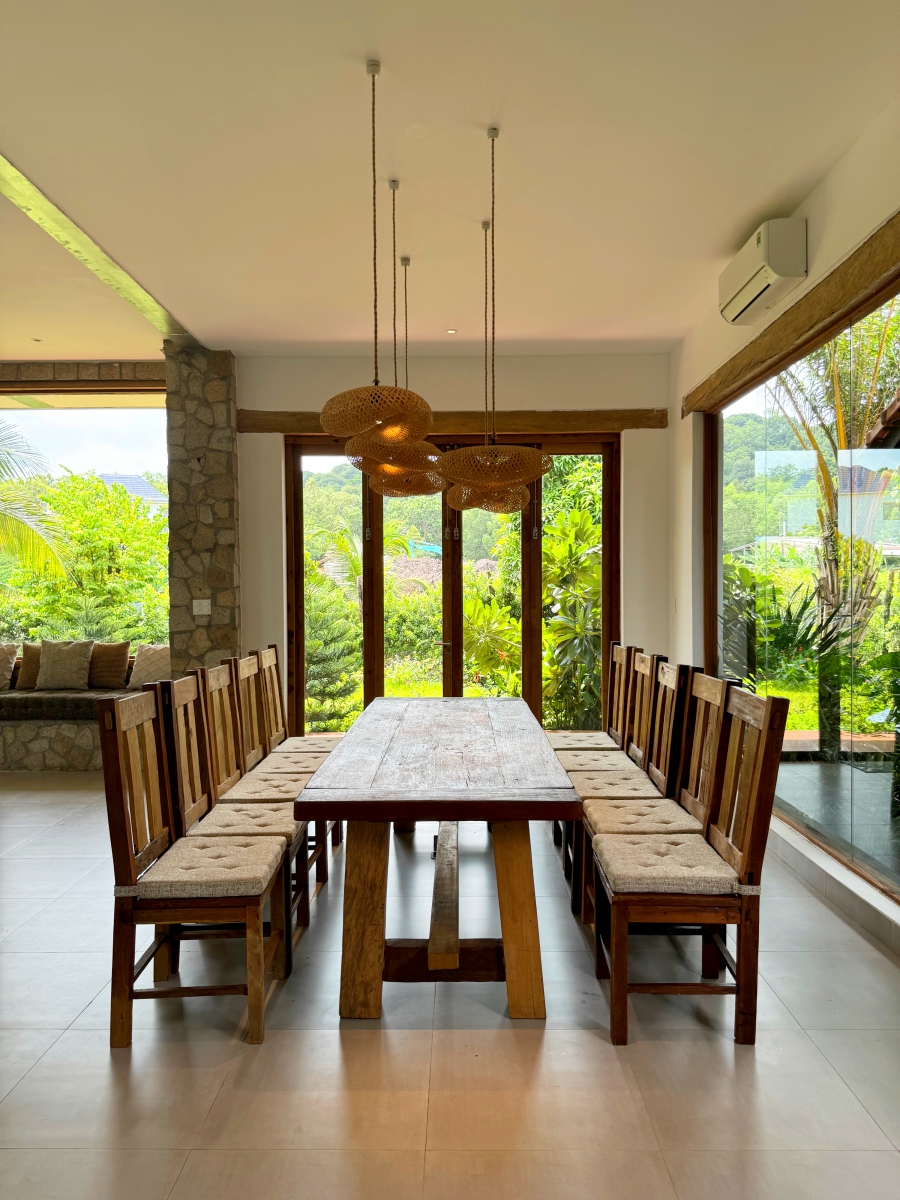
The distance from Ho Chi Minh City to Ho Tram is approximately 110–130 km, with a car journey usually taking around 2.5–3 hours under favorable traffic conditions. Thanks to its relatively short distance from the city, Ho Tram is an ideal destination for weekend getaways, short holidays, and gatherings with family and friends.
To make your trip more convenient, choose suitable transportation, check your route before departure, and book your accommodation early if you plan to travel on weekends or during peak seasons. With the basic arrangements taken care of, your journey to Ho Tram will feel much more relaxed, allowing you to focus on what matters most: resting, unwinding, and enjoying meaningful moments with the people you love.