There is an interesting experience that people do not always think of when visiting a coastal destination: waking up earlier than usual, stopping by a local market, and personally selecting fresh seafood for a meal.
While the city is still slowly waking up, markets in coastal areas are already becoming lively. Fishing boats return after their trips at sea, baskets of fish are brought ashore, vendors quickly arrange their goods, and shoppers begin looking for suitable seafood to prepare for the day.
In Ho Tram, this experience has its own unique charm. Instead of spending all your time at the beach or enjoying seafood at a restaurant, you can visit the market in the morning, observe the daily rhythm of local life, and learn how to choose fresh ingredients.
However, shopping at a seafood market is not simply about buying whatever looks appealing. How can you tell whether seafood is fresh? What time should you visit? How should you ask about prices, check the weight, and store your purchases after leaving the market?
If you are planning a trip to Ho Tram with family or friends, the following tips will help you enjoy a memorable market visit, make informed choices, and prepare a meal featuring authentic coastal flavors right at your accommodation.

Ho Tram is not only appealing because of its long stretches of beach and resorts surrounded by greenery. Beyond the familiar tourist activities, there is also the everyday life of local people whose livelihoods are closely connected to the sea.
One way to experience this more directly is to visit a seafood market in the morning.
Unlike ordering food at a restaurant, shopping at the market allows you to observe different types of seafood firsthand, see how vendors store their products, ask about the source of their goods, and decide exactly what you would like to buy.
In particular, on days when fishing boats return, coastal areas can become busier as fishermen unload their catches and buyers begin purchasing the seafood.
It is worth noting that this experience is not only for people who want to buy seafood in large quantities. Even when travelling with family, you can spend a morning learning about local life, observing different types of fish, shrimp, and crabs, and choosing a few ingredients for lunch.
What makes a morning at the market memorable is sometimes not what you buy, but the feeling of taking part in a small part of everyday life in a coastal community.

One place worth exploring is Ho Tram Seafood Market, located near the public beach and Ho Tram Walking Street.
According to reference information updated in October 2026, the market generally operates from around 6:00 AM to 6:00 PM. If you would like to observe fishing boats returning and have an opportunity to choose seafood from newly delivered catches, consider arriving earlier, between approximately 5:00 AM and 6:00 AM. However, boat arrival times are not fixed and depend on fishing schedules, weather conditions, and circumstances at sea.
This is an ideal time for visitors who enjoy discovering the atmosphere of a traditional fishing community.
If you happen to arrive when fishing boats are returning, you may see fishermen gathering their nets, bringing seafood ashore, and sorting their catches after a trip at sea.
The morning atmosphere has a charm of its own: people exchanging conversations, containers being moved around, boats resting near the shore, and the first daylight gradually appearing over the sea.
However, fishing boats do not arrive at the same time every day. Therefore, you should consider watching the fishermen at work an additional experience rather than expecting to purchase seafood directly from their boats.
When standing near areas where fishing boats are operating, pay attention to mooring ropes, fishing nets, and transportation equipment. Do not board boats without permission or obstruct the fishermen while they are working.
If your main purpose is to buy ingredients for a meal, the early morning, shortly after the market stalls begin operating, is a good time to visit.
During this period, you can walk around different stalls, observe the seafood on display, and compare prices before making a decision.
A useful tip is not to buy everything from the first stall you see. Walk around the market, ask several vendors about their prices, and observe how they store their products. Spending a few extra minutes comparing your options can help you make a more informed choice.
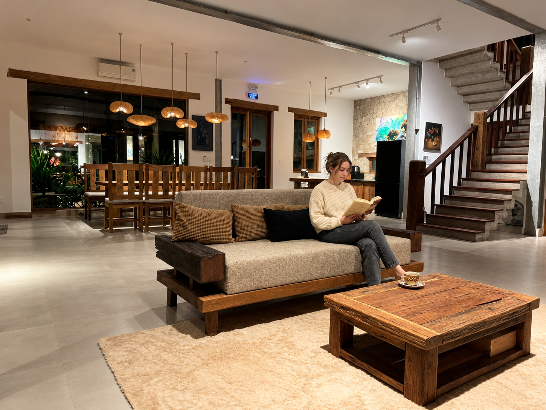
See also: Living Room
The types of seafood available at the market may vary depending on the season, fishing conditions, and the day's supply. However, crabs, squid, shrimp, fish, and various shellfish are among the options worth considering.
Crab is one of the seafood options worth considering when visiting the Ho Tram coastal area.
If you want to buy live crabs, prioritize those that still react and show movement in their legs and claws. Their shells and external parts should remain intact, without any obvious signs of damage or deterioration.
You should also let the vendor know what you are looking for: crabs with firm meat, crabs with plenty of roe, or crabs that are suitable for steaming, tamarind sauce, or grilling.
Do not judge quality based on size alone. Larger crabs are not necessarily the best choice for every dish you plan to prepare.
Fresh squid generally has a relatively firm body, a naturally moist surface, slightly glossy skin, and no unusual odor.
When choosing squid, examine the body, eyes, head, and tentacles. Avoid specimens that feel unusually soft, have damaged bodies, or give off a sour or ammonia-like smell.
Squid can be prepared in many ways, including ginger steaming, grilling, stir-frying, and hot pot. If you are travelling with a large group, consider buying a moderate quantity and combining it with other seafood to create a more varied menu.

When choosing shrimp, examine their shells, bodies, and heads. Fresh shrimp generally have firm bodies, natural coloring, and no unpleasant odor.
If you are buying live shrimp, prioritize those that move actively. For chilled shrimp, pay attention to the storage temperature and the overall condition of the product rather than judging by appearance alone.
Tiger shrimp, whiteleg shrimp, and other locally available varieties can all be suitable choices, depending on the dish you plan to prepare and your budget.
Fish require particular attention when examining their external signs of freshness.
According to seafood selection guidelines from the U.S. Food and Drug Administration (FDA), fresh fish should have a mild smell rather than a sour or ammonia-like odor. Its eyes should be clear and bright, its flesh should be firm and spring back when pressed, and its gills should be red and free from unusual odors.
For pre-cut fish, pay attention to the color and surface of the flesh. Avoid products that show signs of discoloration, dryness, or spoilage.
When buying clams, mussels, and other shellfish, prioritize products with intact shells that are not cracked or broken.
For live clams, mussels, and similar shellfish, specimens with open shells should be checked by gently tapping them. If they do not close, avoid choosing them. After cooking, shellfish that remain closed should also be discarded.
This is a small but important detail when buying seafood for your family, especially when children or older adults will be sharing the meal.

After deciding which seafood you want to buy, the next step is to ask about prices and check how the total cost is calculated.
Do not hesitate to ask for prices before making your selection. You can ask the vendor for the price per kilogram, clarify the difference between live and chilled seafood, and find out whether the price varies according to size.
There are several details you should confirm before paying:
Whether the price is calculated per kilogram or per portion.
Whether the seafood is still alive or has already been chilled.
Whether additional charges apply for tying, packaging, or cleaning.
How much it costs to steam, grill, or prepare the seafood on-site.
The total weight and quantity of the products after weighing.
If you are buying crabs or other seafood sold with tied claws or legs, ask about the actual weight and pricing method before agreeing to the purchase. When buying several types of seafood, ask the vendor to weigh each type separately so that you can check the quantities more easily.
Another useful tip is to set a budget before going to the market. You do not need to buy too much simply because the seafood looks appealing. Consider the number of people in your group, how many meals you are preparing, and how much seafood you can store properly to avoid unnecessary waste.
In particular, do not automatically assume that seafood at the market is always cheaper than at restaurants. Prices depend on the type of seafood, its size, the season, and the available supply. Compare your options based on both quality and the actual total cost.

Visiting the market early is an enjoyable experience, but if you are not familiar with buying seafood, it is easy to make a few common mistakes.
Choosing seafood based only on the lowest price: A low price does not necessarily mean good quality. Examine the condition of the seafood, check how it is stored, and ask about its source before making a purchase.
Buying too much from the first stall: Rushing into a purchase may cause you to overlook better options at other stalls.
Failing to ask about preparation fees: If you plan to ask the vendor to steam, grill, or clean your seafood, agree on the service fee beforehand.
Not checking your purchase before leaving the stall: Confirm the quantity, type, and condition of the seafood after it has been weighed. If you notice any mistakes, you can discuss them with the vendor immediately.
Leaving seafood outdoors for too long after purchasing it: This is a mistake that directly affects food quality. Seafood should be kept cold and taken to your preparation area as soon as possible.

After choosing suitable seafood, the next step is to transport and store it properly.
If you cannot cook it immediately, prepare an insulated cooler or a suitable insulated bag. You can use clean ice or a cooler box to maintain a low temperature. Also, avoid allowing liquid from raw seafood to come into contact with cooked food or other ready-to-eat ingredients.
According to FDA guidelines, seafood should be refrigerated or frozen as soon as possible after purchase. If you plan to use it within two days, store it in a refrigerator at a temperature of no more than 4°C. For longer storage, it should be sealed properly and kept frozen.
In addition, when preparing seafood, use separate knives, cutting boards, and utensils for raw and cooked food. Wash your hands with soap after handling raw seafood to reduce the risk of cross-contamination.
Another important point is to avoid eating seafood that has a sour, rotten, or unusual ammonia-like smell, even after cooking. Cooking cannot make spoiled food safe to eat.
These precautions are particularly important when buying seafood to cook at your villa, as the time between purchasing the ingredients at the market and preparing the meal may be longer than expected.

One of the most enjoyable things about visiting a seafood market is that you do not necessarily have to eat everything at the market itself.
If your accommodation has a kitchen and BBQ facilities, you can bring your ingredients back and prepare a meal together as a group.
Imagine starting the morning by waking up together, visiting the market, and choosing crabs, shrimp, squid, and a few types of shellfish. After shopping, everyone returns to the villa, divides up the tasks, and starts preparing lunch or dinner.
One person cleans the seafood, another prepares the vegetables, while someone else takes care of the grilling. While waiting for the food to be ready, everyone can chat, listen to music, or relax around the property.

If you are looking for accommodation that combines a relaxing holiday with the opportunity to prepare your own meals, The Cottage Ho Tram Hills is an option worth considering.
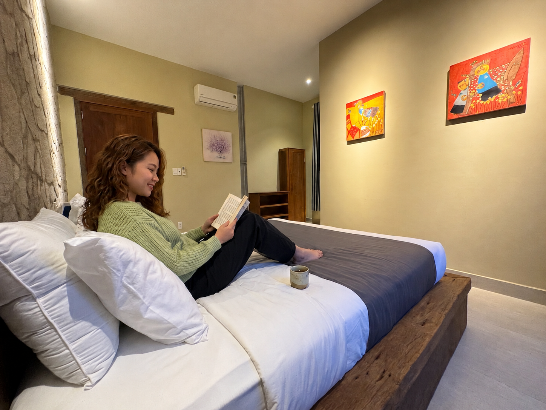
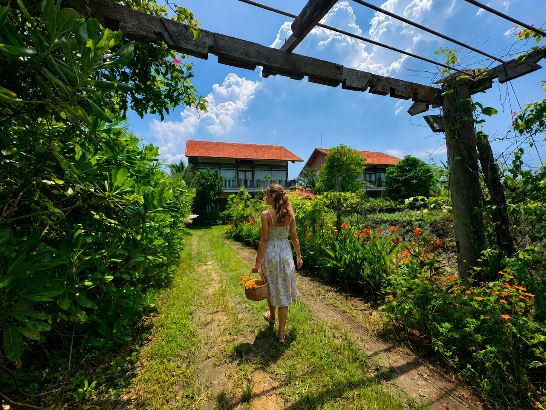
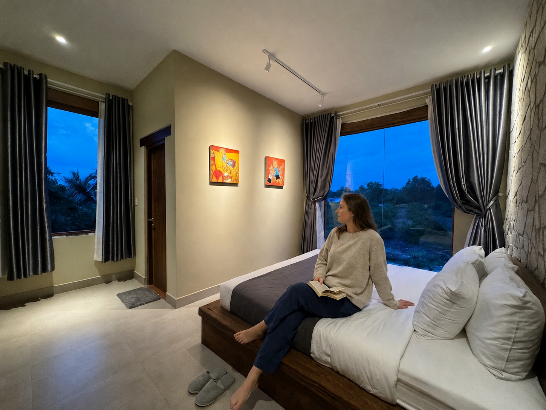
According to the villa's introductory information, The Cottage offers a property of more than 1,500 m², six bedrooms, and shared living spaces designed for families or groups of friends. The accommodation arrangement for larger groups is advertised as having a maximum capacity of approximately 16 guests, subject to confirmation based on the specific booking configuration.
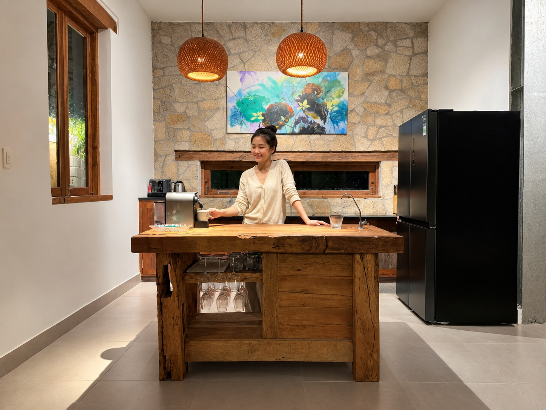
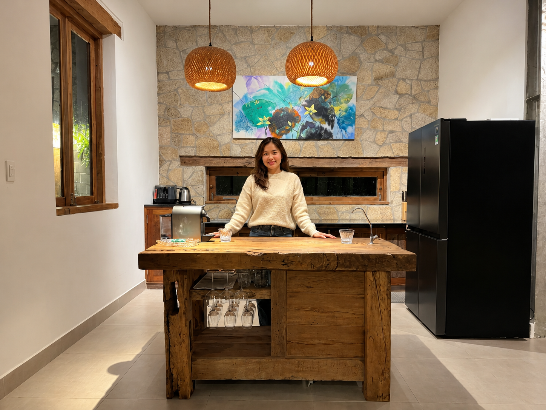
One feature that makes the villa suitable for the seafood market experience is its kitchen, which is equipped with cooking utensils, along with an outdoor BBQ area. This allows guests to prepare their own ingredients, choose their preferred cooking methods, and enjoy meals right at their accommodation.
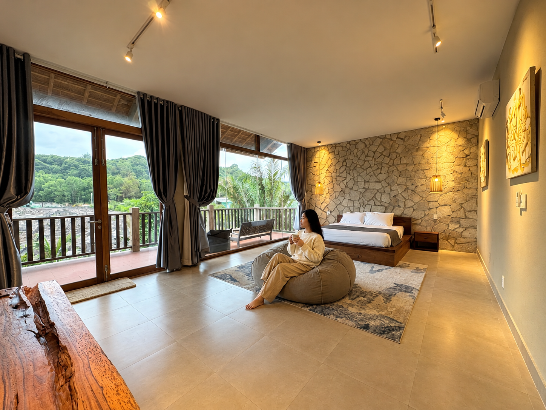
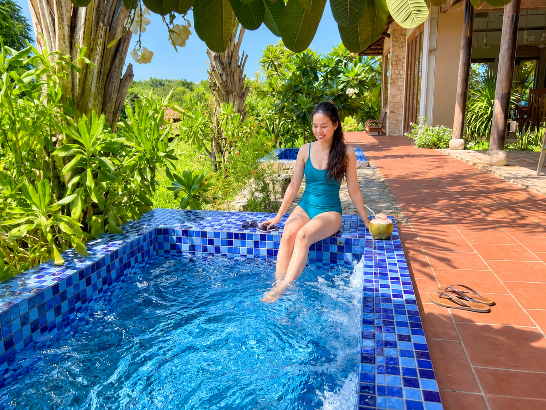
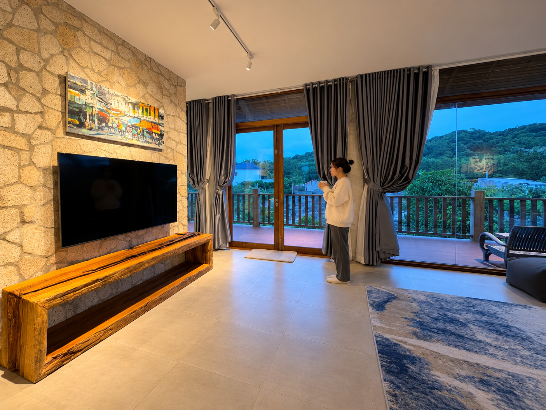
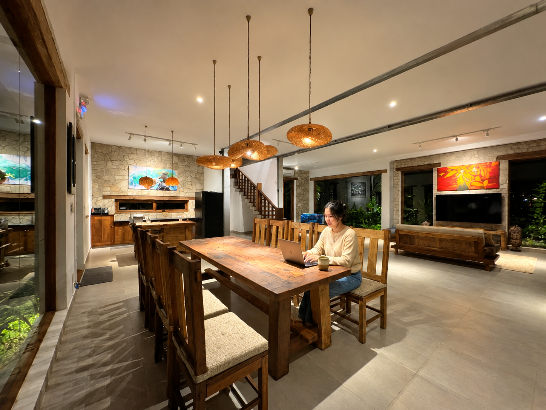
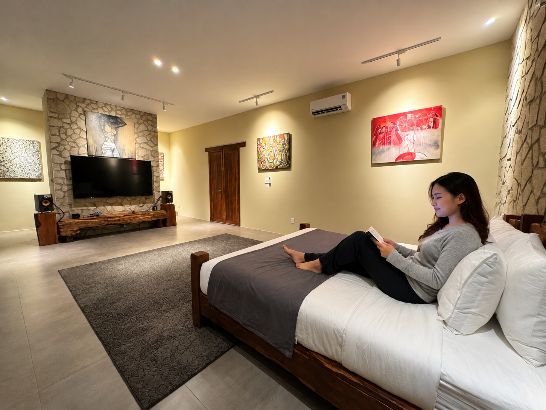
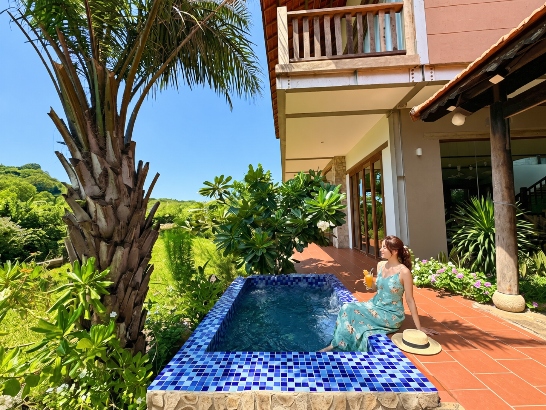
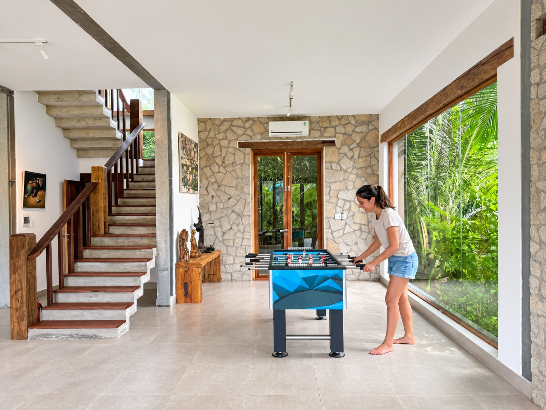
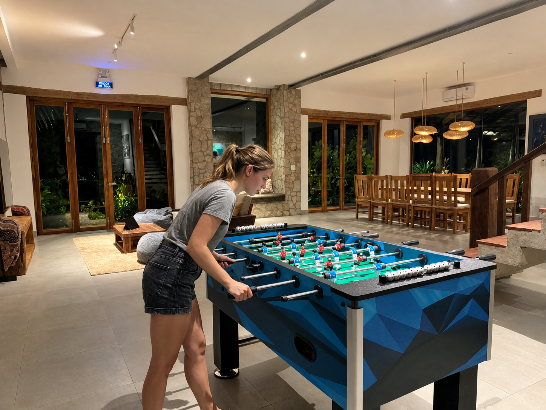
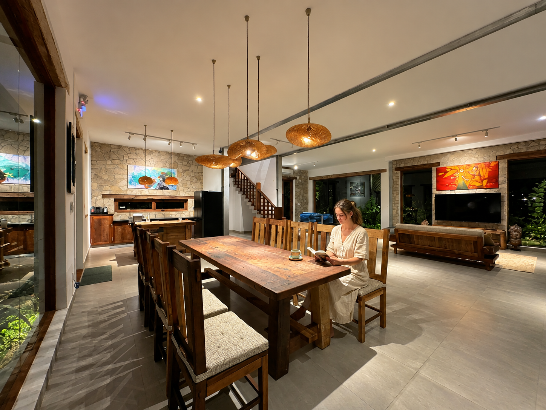
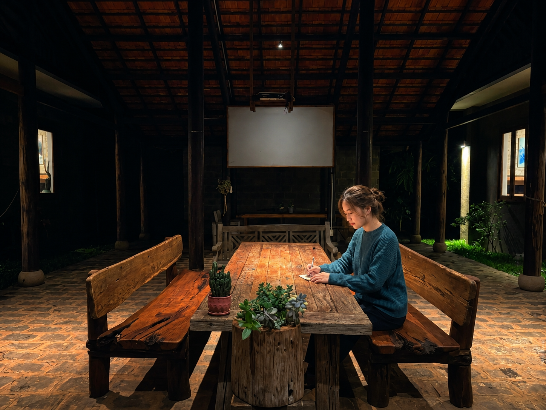
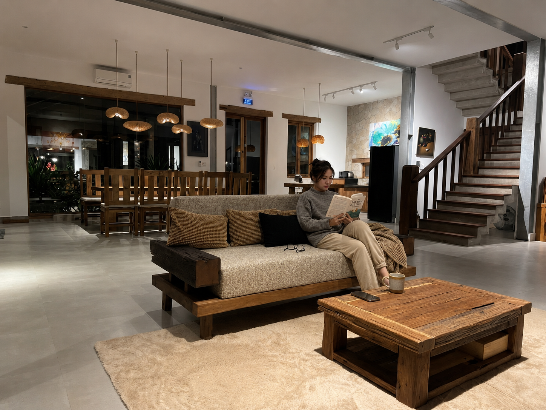
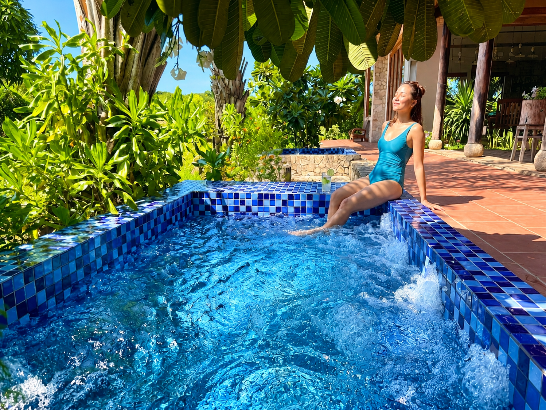
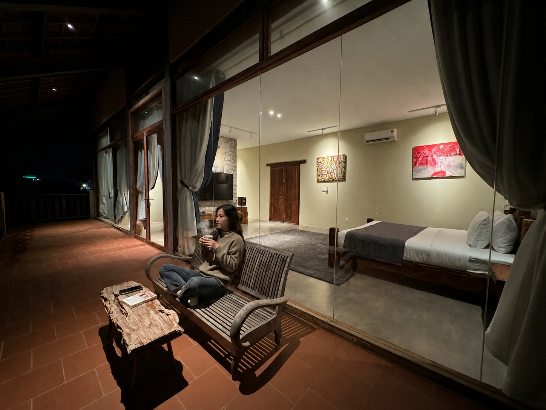
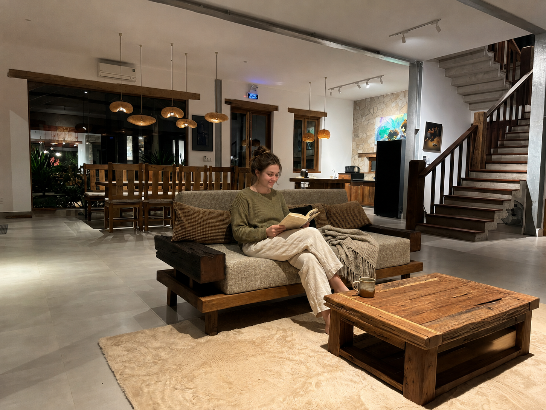
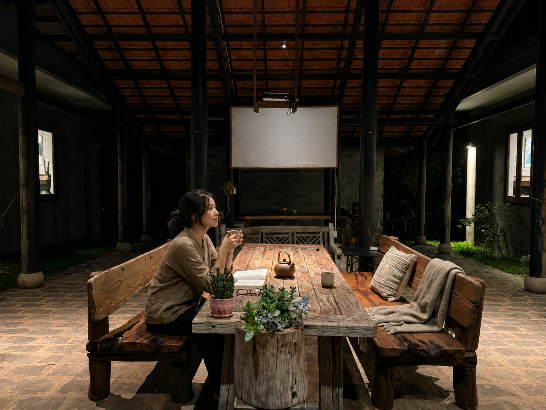
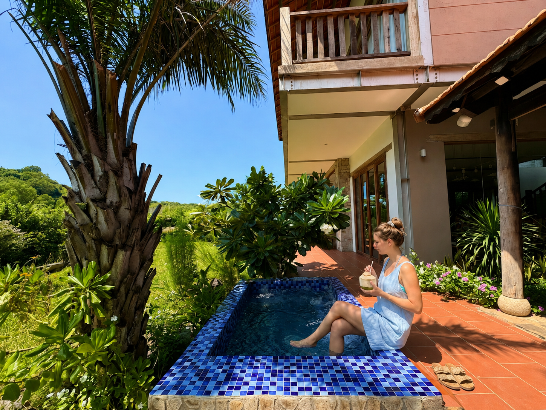
The Cottage also features a wooden house connecting two villa sections, a spacious living room of approximately 105 m², and two Jacuzzi tubs. These spaces make it easier for everyone to gather, enjoy meals, or relax after exploring Ho Tram.
In addition, a billiards table, foosball, karaoke, a portable speaker, and complimentary Wi-Fi provide more entertainment options in the evening. While some guests prepare the food, others can relax or enjoy the activities available at the villa.
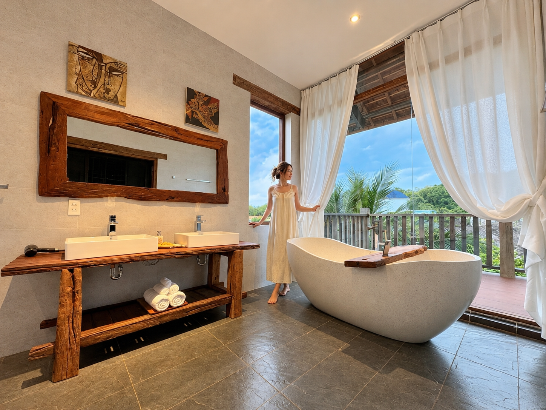
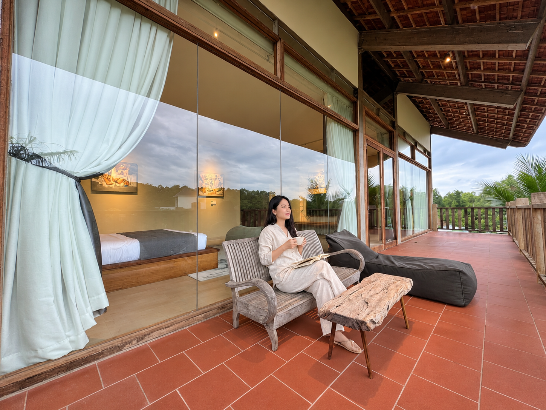
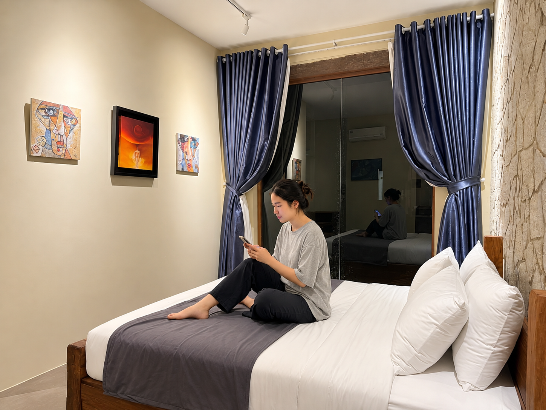
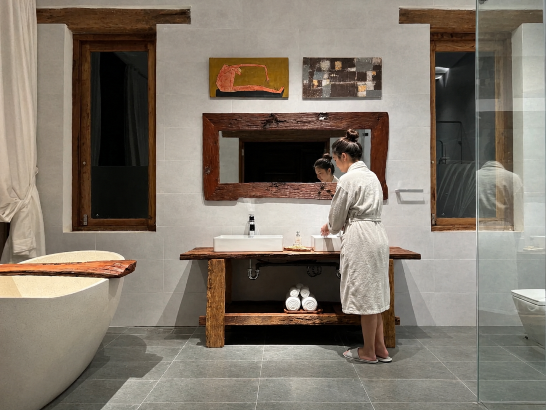
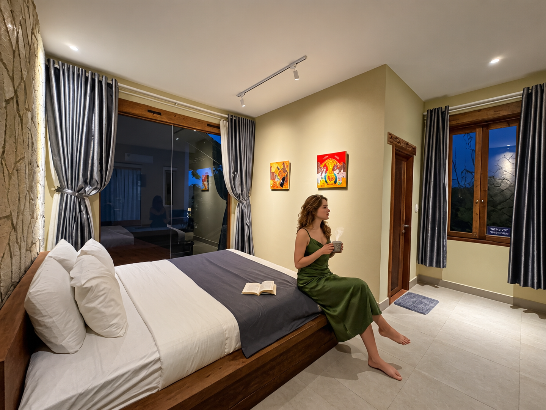
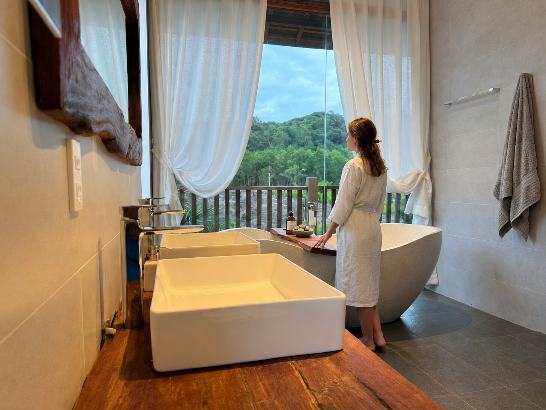
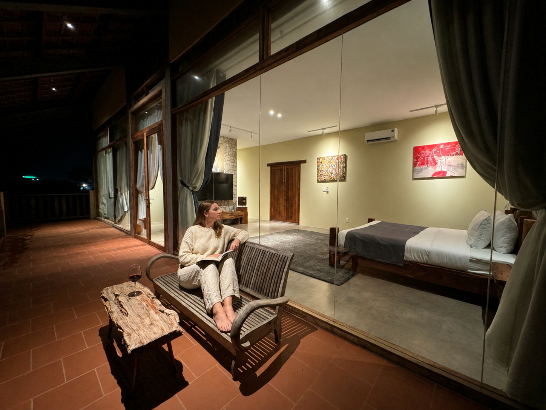
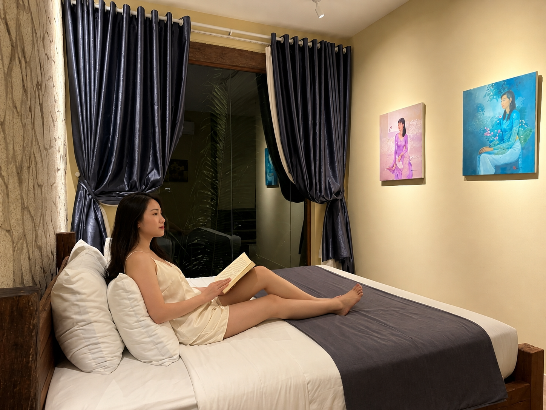
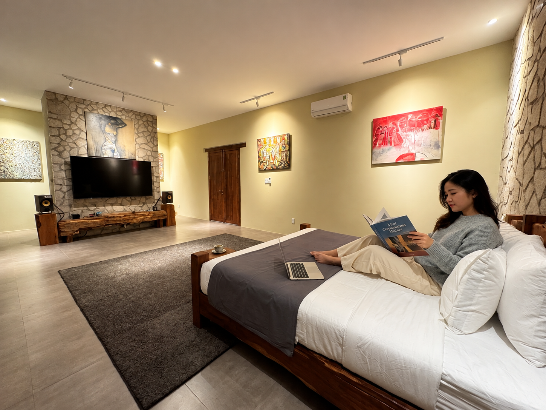
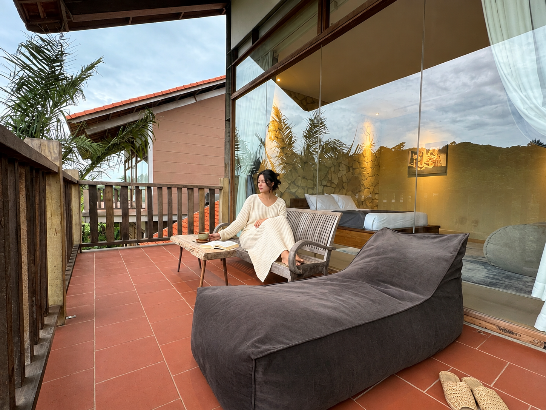
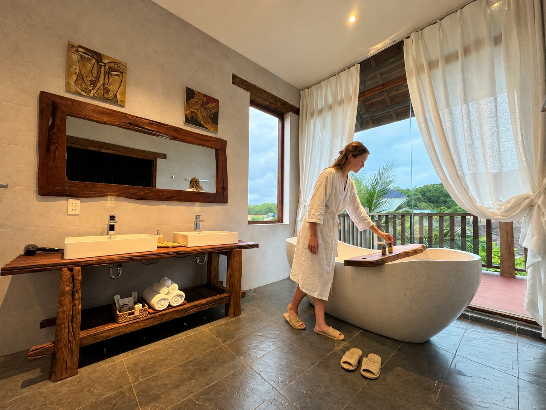
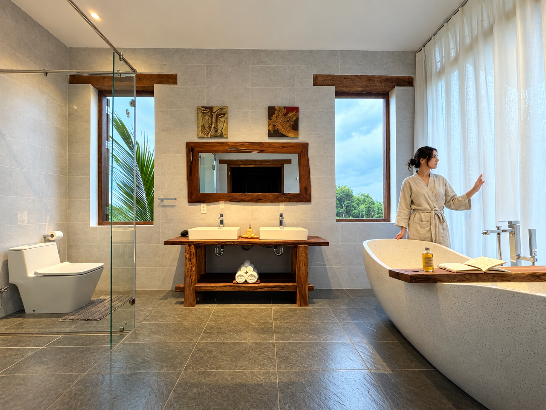
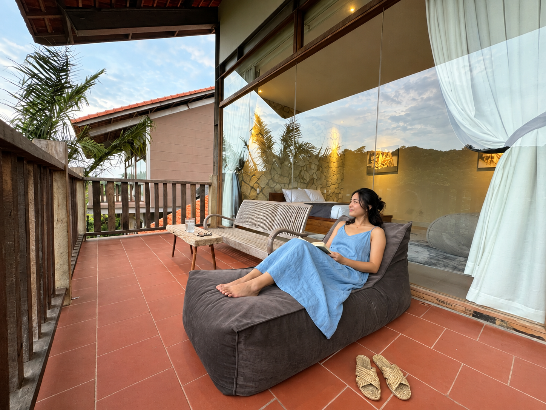
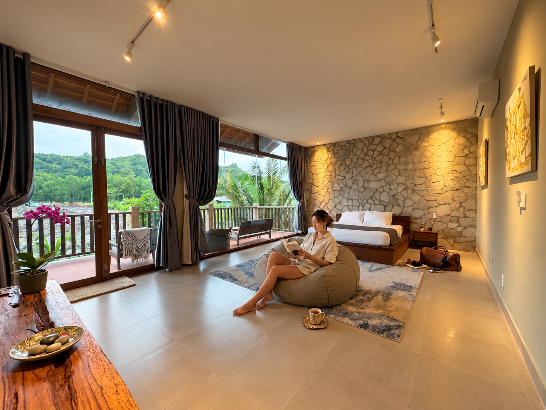
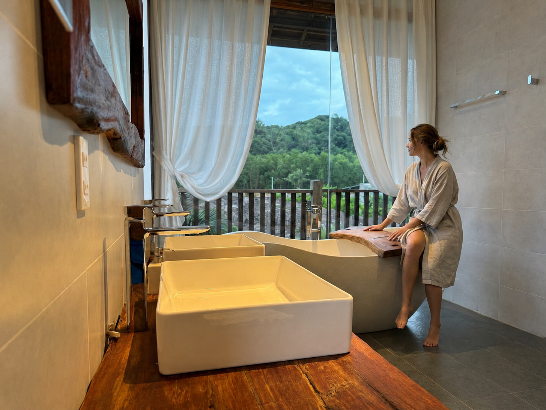
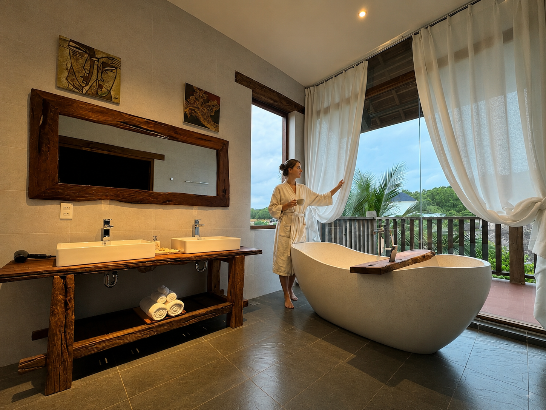
Another highlight is the approximately 73 m² master bedroom, which features a private balcony and a bathtub beside a large glass window overlooking the green surroundings.
Regarding its location, The Cottage is approximately 700 meters from the beach area, according to the villa's introductory information. The villa is not directly on the beachfront, so you can enjoy a morning market visit, spend the afternoon by the sea, and return to your own private space in the evening to share a meal together.
Before making a reservation, remember to confirm room availability, the permitted number of guests, kitchen equipment, BBQ facilities, and any rules regarding seafood preparation.

If you would like to combine an early morning market visit with a relaxing stay at a villa, you can refer to the following suggested itinerary.
Wake up early and prepare shopping bags and an insulated cooler if needed. This is a suitable time to explore the local atmosphere and watch the market stalls gradually become busier.
Walk around the market, ask about prices, and compare the available products. Prioritize stalls that store their seafood properly, check its freshness, and consider how much you need for the number of people in your group.
After finishing your shopping, you can find a breakfast spot near the market or return to the villa if you have already arranged breakfast.
Place the seafood in an appropriate storage area, clean it, and divide the ingredients into portions. If you are not cooking immediately, continue to keep everything properly chilled.
Everyone can help prepare a meal using the ingredients purchased that morning. There is no need for an elaborate menu. Simply having everyone participate can give the meal its own special story.
This itinerary can be adjusted according to the market's operating hours, the arrival times of fishing boats, and your accommodation's check-in time.

A trip to Ho Tram is not just about spending an afternoon by the sea or staying at a comfortable resort. Sometimes, the most memorable experiences begin with a simple morning: waking up early, visiting a seafood market, and personally choosing ingredients for a meal.
From observing the daily lives of local fishermen and learning how to select crabs, squid, and shrimp to preparing a BBQ meal together at your accommodation, each activity offers a more intimate perspective on this coastal destination.
If you would like to combine a market visit with a relaxing stay in a private setting, The Cottage Ho Tram Hills is an option worth exploring. Its six bedrooms, kitchen, garden, BBQ area, and shared facilities make it suitable for spending time with family and friends.
Prepare an insulated bag, set aside some time for an early morning market visit, and choose seafood that suits everyone's meal preferences. You may find that, after the trip, what everyone remembers most is not only Ho Tram's beaches but also the meal you prepared together using ingredients you personally selected.
After all, a memorable holiday does not always need to begin with something extraordinary. Sometimes, a peaceful morning, a local coastal market, and a group of loved ones gathered around the dining table are enough to create a lasting memory.